Hey there! I’m a supplier of permanent buildings, and let me tell you, making these structures more sustainable is not just a buzzword; it’s the future. In this blog, I’ll share some practical tips on how we can make permanent buildings greener and more eco – friendly. Permanent Building

1. Energy – Efficient Design
One of the first steps in making a permanent building sustainable is to focus on energy – efficient design. This starts right from the planning phase. When we’re designing a building, we need to think about its orientation. For example, placing the building in a way that it can take advantage of natural sunlight. This means more windows on the south – facing side in the Northern Hemisphere (or north – facing in the Southern Hemisphere). During the day, sunlight can naturally light up the interior, reducing the need for artificial lighting.
We can also use energy – efficient insulation materials. Good insulation helps keep the building warm in winter and cool in summer. This reduces the load on heating and cooling systems, which in turn cuts down on energy consumption. There are a lot of great insulation options out there, like spray – foam insulation or cellulose insulation made from recycled materials.
Another aspect of energy – efficient design is the use of high – performance windows. These windows are designed to prevent heat transfer. They have multiple panes of glass with a special gas in between, which acts as an insulator. This helps to keep the indoor temperature stable and reduces the energy needed to heat or cool the building.
2. Renewable Energy Sources
Installing renewable energy sources is a game – changer when it comes to making permanent buildings sustainable. Solar panels are a popular choice. They can be installed on the roof of the building to convert sunlight into electricity. Once installed, they can generate a significant amount of power for the building’s needs. And the best part is, solar energy is free and clean. It doesn’t produce any greenhouse gas emissions.
Wind turbines are another option, especially for buildings located in areas with good wind resources. Small – scale wind turbines can be installed on the building or in its vicinity to generate electricity. Of course, the feasibility of wind turbines depends on the local wind conditions, but where it works, it can be a great addition to the building’s energy system.
Geothermal energy is also worth considering. Geothermal systems use the constant temperature of the earth to heat and cool the building. They work by circulating a fluid through pipes buried underground. This fluid absorbs heat from the ground in winter and releases heat into the ground in summer. It’s a very efficient and sustainable way to regulate the building’s temperature.
3. Water Conservation
Water conservation is an important part of making a permanent building sustainable. We can start by installing low – flow fixtures in the building. Low – flow toilets, faucets, and showerheads use less water without sacrificing performance. For example, a low – flow toilet can use as little as 1.28 gallons per flush compared to the traditional 3.5 gallons or more.
Another way to conserve water is by implementing a rainwater harvesting system. This system collects rainwater from the roof and stores it in a tank. The collected water can then be used for non – potable purposes like watering plants, flushing toilets, or washing cars. It reduces the demand for municipal water, which is especially important in areas facing water shortages.
We can also use water – efficient landscaping. Choosing native plants that are adapted to the local climate and require less water is a great idea. And using drip irrigation systems instead of sprinklers can also significantly reduce water waste.
4. Sustainable Materials
When building a permanent structure, the choice of materials plays a crucial role in its sustainability. We should opt for materials that are recycled, renewable, or have a low environmental impact. For example, using reclaimed wood for flooring or structural elements. Reclaimed wood not only has a unique look but also reduces the demand for new timber.
Bamboo is another great sustainable material. It’s a fast – growing plant that can be harvested in a relatively short time. Bamboo is strong and can be used for a variety of applications, from flooring to furniture.
We can also use recycled steel. Steel is one of the most recycled materials in the world. Using recycled steel in the construction of a building reduces the energy and resources needed to produce new steel.
5. Waste Management
During the construction and operation of a permanent building, waste management is essential. During construction, we should try to minimize waste generation. This can be done by accurately estimating the amount of materials needed and ordering only what is required. Any leftover materials should be recycled or reused.
Once the building is in operation, a proper waste management system should be in place. This includes separating recyclables from non – recyclables. Composting food waste is also a good idea, especially for buildings with kitchens or cafeterias. The compost can then be used for landscaping.
6. Green Roofs and Walls
Green roofs and walls are a great way to make a building more sustainable. A green roof is a layer of vegetation planted on the roof of a building. It provides insulation, reduces stormwater runoff, and improves air quality. Green roofs also help to reduce the urban heat island effect by absorbing heat and releasing moisture into the air.
Green walls, on the other hand, are vertical gardens on the exterior or interior walls of a building. They not only look beautiful but also have environmental benefits. They can improve air quality by filtering pollutants and can also provide insulation.
7. Indoor Air Quality
Sustainable buildings should also focus on indoor air quality. We can use low – VOC (volatile organic compound) paints and finishes. VOCs are chemicals that can be released into the air from paints, adhesives, and other building materials. They can cause health problems like headaches, dizziness, and respiratory issues. Using low – VOC products helps to keep the indoor air clean and healthy.
Proper ventilation is also crucial. A well – designed ventilation system can bring in fresh air from the outside and remove stale air and pollutants from the building. This helps to maintain a comfortable and healthy indoor environment.
8. Smart Building Technology
Incorporating smart building technology can make a big difference in the sustainability of a permanent building. Smart thermostats can adjust the temperature based on the occupancy of the building. For example, if a room is not being used, the thermostat can lower the temperature to save energy.
Lighting systems can also be automated. Sensors can detect the amount of natural light in a room and adjust the artificial lighting accordingly. This ensures that we’re not using more energy than necessary for lighting.
Building management systems can monitor and control various aspects of the building, such as energy consumption, water usage, and air quality. They can provide real – time data and alerts, allowing us to make informed decisions to improve the building’s sustainability.
Conclusion
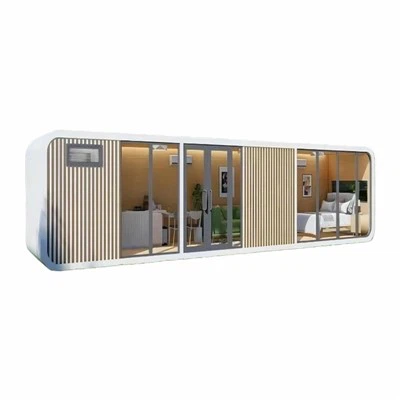
Making a permanent building more sustainable is a multi – faceted approach. It involves energy – efficient design, the use of renewable energy sources, water conservation, sustainable materials, waste management, green roofs and walls, indoor air quality, and smart building technology. As a permanent building supplier, I’m committed to helping my clients build more sustainable structures.
Container House If you’re interested in learning more about sustainable permanent buildings or are looking to purchase a building that meets high sustainability standards, I’d love to have a chat with you. Let’s work together to create a greener future with our buildings.
References
- American Institute of Architects. (Year). Sustainable Design Resources.
- U.S. Green Building Council. (Year). LEED Certification Guide.
- World Green Building Council. (Year). Global Status Report on Sustainable Buildings.
Shandong Qidi Anzhu International Trade Co., Ltd.
As one of the most professional permanent building manufacturers and suppliers in China, our products have good reputation in the market. Please rest assured to wholesale high quality permanent building for sale here from our factory. We also accept customized orders.
Address: Room 704, Zhexin Plaza, Dongfeng Street No.7666, Kuiwen District, Weifang City, Shandong Province
E-mail: wendy@eco-modulehouse.com
WebSite: https://www.eco-modulehouse.com/
