Hey there, fellow coffee lovers, it’s Mia from the glass-lined coffee carafe team here. Let’s cut to the chase—nothing kills a morning brew faster than pulling your perfectly poured pot of java to refill, only to notice that one little chip or crack on the carafe’s lid. I’ve been in this game for 7 years, building these carafes and troubleshooting customer headaches, and I can’t tell you how many times I’ve gotten a panicked email asking, “Is there any way to fix this lid without tossing my whole carafe?” Glass Lined Coffee Carafe
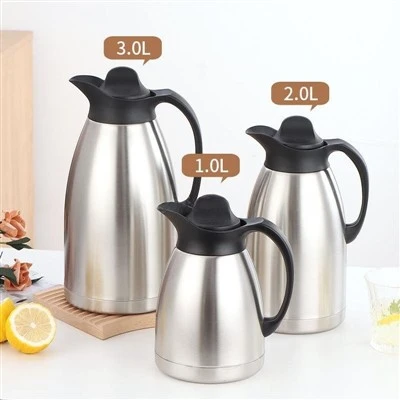
First, let’s get something straight: I’m not talking about a small, annoying scratch here. That’s just cosmetic, and it doesn’t affect how your coffee tastes or how the carafe holds temperature. A broken lid—one with a chip around the pour spout, a crack in the plastic hinge that attaches it to the carafe, or a split in the rubber seal that keeps heat and steam in—those are the ones that mess with your brew.
Here’s the thing I wish more people knew: glass-lined carafes’ lids aren’t all the same. The glass lining is super durable, but the lids have two parts—usually a stainless steel outer shell, a rubber or silicone gasket that seals the top, and often a plastic or metal hinge. Most repairs work for minor to moderate lid damage, but severe cracks (like the lid is split down the middle) are a toss-up, and I’ll tell you why later.
First, let’s cover when to even bother repairing it, versus when to replace. If your lid is just slightly chipped on the edge, or the pour spout’s opening has a tiny wear mark that lets a little steam escape, a fix works great. If the hinge is completely broken, or the glass part of the lid has a crack, that’s when I’d say a replacement lid is better—glass in a lid can shatter unexpectedly, and you don’t want glass getting in your coffee. Our team keeps spare lids in stock for exactly that reason, but let’s focus on repair first.
Supplies you’ll need—no fancy stuff, just household items. For the seal, if that’s the problem: food-grade silicone sealant. Don’t use random super glue; it’s not food-safe, and it can leach chemicals into your coffee. For a small hinge crack or a loose part: food-grade epoxy, same rule applies. For a chipped edge that’s causing leaks: fine-grit sandpaper (220-grit, not too rough), isopropyl alcohol (70% works great), a soft cloth, and paper towels.
Let’s walk through the step-by-step process, starting with the most common issue: a split or worn rubber seal. This is the easiest fix, and most people can do it in 10 minutes. First, take the lid off the carafe and pop the old seal out. Be gentle—if it’s stuck, use a butter knife to pry it loose, but don’t scratch the stainless steel lid. Once the old seal is out, wash the lid with warm, soapy water and dry it completely. Then, take your new food-grade silicone seal (you can buy these at most hardware stores or online, just make sure it says “food contact safe”) and press it into the groove on the lid. Work from one end to the other, smoothing it down to make sure there are no air bubbles or gaps. Wait 24 hours before using it—silicone needs time to cure, and you don’t want the seal to fail mid-pour. I’ve had customers skip this step, and they end up with coffee leaking all over their counter. Trust me.
Next, a chipped edge on the lid or a small crack in the stainless steel base (not the glass lining, that’s a separate issue). First, clean the area really well. Wipe it down with isopropyl alcohol to get rid of any coffee oils, dust, or residue—those will prevent the adhesive from sticking. Let it dry for 5 minutes so no moisture is left. If it’s a chip, take your 220-grit sandpaper and lightly smooth the rough edges. You don’t want to sand too much, just enough to make the chipped area smooth and not sharp—sharp edges are a safety hazard, and they’ll catch on your coffee filter when you pour. If it’s a small crack in the hinge (like a tiny line that’s not split all the way), apply a thin layer of food-grade epoxy over the crack, spreading it evenly with a toothpick. Be careful not to get epoxy on the part of the hinge that actually moves—you want that to stay smooth. Wipe away any excess epoxy immediately with a paper towel dampened with isopropyl alcohol, before it dries. Let the epoxy cure for the time listed on the package—usually 2 to 4 hours, but don’t rush it. Once it’s dry, test the hinge to make sure it opens and closes properly. If it’s stiff, gently work it a few times, but don’t force it.
Now, the big question: when is repair not a good idea? If the glass part of the lid has a crack—any crack, even a tiny one—stop what you’re doing and don’t repair it. Glass under pressure (from the hot coffee) can shatter, and you don’t want glass shards in your morning brew. That’s a safety issue, plain and simple. Also, if the lid is split down the middle, not just the hinge, repairing it won’t hold. The stainless steel is thin there, and the adhesive can’t create a strong enough bond to keep the lid sealed. Another red flag: if the lid’s pour spout is bent. You can bend it back, but if it’s kinked, it won’t pour evenly without leaks, and that’s not fixable.
Wait, I get it—you might be thinking, “This sounds like a lot of work, why not just buy a new lid?” And that’s a valid point. A lot of people don’t realize that most glass-lined carafe lids are interchangeable with other models, as long as they’re the same size. For example, a 1.8L carafe lid will fit most other 1.8L glass-lined carafes, including ours. We keep spare lids in stock because we know accidents happen, and it’s way cheaper than replacing the whole carafe. I’ve had customers reach out after spilling coffee on their old lid, or dropping it, and they say “I thought I had to buy a whole new carafe, but your spare lid fits perfectly and it’s like a new one.”
Let me share a quick story to illustrate this. A customer named Sarah emailed me last month saying her favorite carafe (she’d had it for 3 years, bought it from us) had a chip on the lid that was leaking, and she didn’t want to throw the whole thing away. She tried using super glue, which ended up tasting like chemicals when she brewed coffee, so she reached out. I walked her through the seal replacement steps, and she sent me a photo a week later saying it worked perfectly. She even added that her coffee stayed hot for the same 4 hours it always does, which is a big deal because our glass-lined carafes are designed to keep coffee hot longer than any other type.
Another thing to remember: regular maintenance will help prevent lid damage in the first place. Never put the carafe lid in the dishwasher, even if it says it’s dishwasher safe. The high heat and harsh detergents can break down the silicone seal over time, and make the plastic hinge brittle. Hand washing the lid with warm, soapy water is way gentler, and it will last longer. Also, don’t twist the lid too tight when you’re pouring or storing it—just enough to seal it, not so tight that you strain the hinge.
I can’t stress enough that food safety is non-negotiable here. Using non-food-safe adhesives or sealants is a mistake that can make your coffee taste off, and worse, expose you to harmful chemicals. I always recommend sticking to products that are labeled specifically for food contact. If you’re not sure, check the packaging—if it says “NSF-approved” or “food grade,” that’s safe. If it just says “all-purpose,” skip it.
Now, let’s wrap this up. If you’ve tried repairing your lid and it still isn’t working, or you have a cracked glass lid, or a split lid, don’t hesitate to reach out. Our team is here to help you find the right replacement lid, no matter what model your carafe is. We’ve been supplying glass-lined coffee carafes for years, and we know our products inside and out, so we can help you find a lid that fits perfectly. Whether you’re a home brewer who’s attached to their carafe, or a café owner who needs durable replacement parts for their commercial carafes, we’ve got you covered.

If you have any questions about repairing your lid, or you’re looking for a replacement, feel free to connect with our team to discuss your needs. We’re always happy to help fellow coffee lovers keep their brews hot and their carafes in great shape.
Stainless Steel Coffee Carafe References:
- National Sanitation Foundation (NSF). Food-grade materials and sealants for kitchen use guidelines.
- Specialty Coffee Association (SCA). Best practices for maintaining coffee equipment.
- Glass Packaging Institute (GPI). Safety guidelines for handling glass in food service products.
Kairun International Co., Ltd.
As one of the most professional glass lined coffee carafe suppliers in China, we’re featured by quality products and good service. Please rest assured to wholesale customized glass lined coffee carafe made in China here from our factory. Welcome to contact us for more cheap products.
Address: NO.60 JIAZHAI,NANSHI DISTRICT,DONGYANG CITY,ZHEJIANG PROVINCE, CHINA
E-mail: lanzhou301@126.com
WebSite: https://www.kairunhouseware.com/
