Hey folks, let’s cut to the chase – if you’re running or maintaining metal sheet roll cold rolling forming equipment, cleaning it’s probably the last thing you wanna deal with on your busy shop floor. I’m the guy who’s supplied this gear for over 12 years, and I can tell you: skip the lazy wipe-downs here, and you’re looking at scrapped parts, worn-out rolls, and way more downtime than a quick 15-min clean would’ve cost. Let’s break this down like we’re huddled by the break room fridge, not writing a textbook. Metal Sheet Roll Cold Rolling Forming Equipment
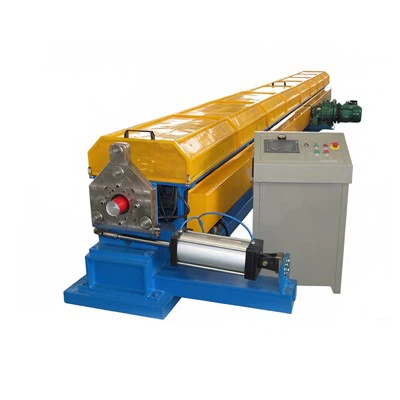
First, let’s get one thing straight: cold rolling equipment doesn’t get the same shine as a new forklift or a paint booth, but that grime building up? It’s not just “dirt” – it’s mill scale shavings, tiny metal particulates from the sheet, lubricant gunk that cures into a sticky residue after a few runs, and sometimes even leftover welding slag if you’re prepping sheet metal right there on the line. Miss a spot on the backup rolls? That’ll leave a scratch on your stainless steel or aluminum sheet that you can’t buff out later, costing you whole batches. And let’s not sleep on the bearings – old lubricant mixed with metal shavings will turn them into grinding stones by month three, which means a $5,000 repair instead of a $20 can of degreaser.
Let’s start with the pre-clean prep, because rushing here is how you ruin a good roll. First, shut the whole line down, duh – lockout-tagout (LOTO, that’s the industry shorthand) is non-negotiable. No one wants a finger caught in a roll that suddenly kicks on. Next, clear the line of any leftover sheet metal, coils, and scrap bins – you don’t wanna trip over a 10-foot aluminum sheet mid-clean. Then, grab your gear: nitrile gloves (latex tears on sharp metal shavings, trust me), safety glasses (those particulates fly), a stiff bristle brush (not a wire brush – that’ll leave metal bristles in your rolls, which is a huge no-no), a plastic putty knife (metal ones scratch rolls), and two buckets: one for warm, soapy water (dish soap works, no fancy industrial stuff needed) and one for a citrus-based degreaser (it cuts oil way better than all-purpose cleaner, and it’s less stinky than solvents that make you dizzy). Oh, and a shop vac with a HEPA filter – regular vacs blow metal dust everywhere, and that’s bad for both your lungs and your gear.
Now, the step-by-step, and this is the order I’ve seen works best. Don’t skip the first part: dry debris removal. Take that shop vac and go over every inch of the rolls, the side frames, the guides, and the gap between the backup rolls. Run the brush lightly over the rolls to loosen particulates, then suck ’em up right away – don’t let them sit, they’ll compact and stick worse. Then, for any big chunks of mill scale that are caked on, use that plastic putty knife to gently pry them off. No digging, no scraping hard – cold rolls are precision-machined, and a single scratch can ruin their roundness, which messes up the thickness of your sheet for every run after.
Next, the degreasing. This is where most people mess up: they spray degreaser all over and walk away. Don’t do that. Grab a rag, dip it in citrus degreaser, wring it out until it’s damp (not dripping), and wipe each roll slowly, one at a time, starting from the ends and moving to the center. The gunk builds up thicker in the center, so go extra gentle there. For the side frames and guides, spray a little degreaser on a brush (don’t spray directly on electronics – if your equipment has touch panels or sensors, cover ’em with plastic first!) and scrub the gaps where debris hides. If you’ve got a feed roller that’s been running for a month straight, the lubricant residue might be rock hard – let the degreaser sit for 5 minutes, then wipe it off. No scrubbing with force here, that’s how you wear down the roll’s surface.
Once the degreaser’s done, it’s time to rinse – but wait, you can’t just spray a hose on electric parts. Use warm soapy water in a spray bottle for light parts, and a damp rag for heavy areas. Wipe everything down to get rid of any leftover degreaser, because if it sits, it’ll attract more dirt next time. Then, dry everything off immediately – metal rolls rust fast, even if you think you wiped all the water away. Use a microfiber rag, not a rough towel, because that’ll leave lint.
Now, the deep stuff that people forget: the bearings and the roll gap. The tiny gap between the main rolls and backup rolls is where the worst debris gets trapped. After the dry clean, use a narrow brush (like a small paint brush) to get into that gap, and suck out anything with the shop vac. If you’re overdue for a proper tear-down, this is when you check the bearings – pull the protective caps, wipe off old lubricant, add fresh food-grade or industrial lubricant (check your equipment’s manual, don’t just grab any lube) to keep them running smooth. I’ve had clients who skipped bearing cleaning and had their line down for 3 days when a bearing seized mid-run – that’s way more costly than a 10-minute bearing clean every 2 weeks.
Now, let’s talk frequency. This isn’t a one-and-done job. If you’re running your equipment 8 hours a day, 5 days a week, a light clean every 2 weeks is non-negotiable. If you’re running it 24/7, that’s a daily 20-minute wipe-down for the rolls and guides, and a deep clean once a week. For specialty materials like copper or titanium, you’ll wanna clean a little more often too – those metals leave finer particulates that get stuck in the roll surface faster. And before you switch to a new type of metal (like going from steel to aluminum), do a full deep clean first – mixing particulates can cause cross-contamination, leading to bad parts.
Wait, what about the mistakes everyone makes? Let’s list those out, because I see these every time I visit a shop. First, using a wire brush on rolls – never, ever. Those wire bristles break off, get into your sheet, and you’ve got a batch of scrap that’s useless. Second, forgetting to cover electronics – degreaser and water will fry sensors and touch panels faster than a power surge. Third, rushing the pre-clean – if you don’t suck up the loose debris first, you’ll just grind it into the rolls during cleaning, causing scratches. Fourth, using too much degreaser – residue left on rolls will make your sheet slip, leading to uneven thickness. Fifth, not drying properly – rust spots on rolls mean you have to replace them, which is a way bigger expense than a $5 rag.
Now, let’s tie this back to why this matters for your bottom line. When your rolls are clean, you get consistent sheet thickness, fewer scrap parts, less downtime, and longer equipment life. I’ve supplied equipment to shops that skipped cleaning, and their rolls needed replacement every 18 months – and those that stuck to this routine, their rolls lasted 4 years. That’s a huge difference in maintenance costs, right?
If you’re still stuck on how to access those hard-to-reach parts, or if you’ve got a line that’s been running for years with no clean, give me a holler. I don’t just sell equipment – I’ve been working with cold rolling forming gear for over a decade, so I can walk you through a custom clean plan that fits your shop’s schedule. We can even send a technician if you need hands-on help, but even if you just need advice on which degreaser works best for your type of sheet metal, I’m here.

Don’t wait until your line breaks down to think about cleaning. A few extra minutes of regular clean-up will save you way more money in the long run. Reach out if you’ve got questions, or if you’re looking to upgrade your equipment with a model that’s easier to clean (we’ve got a few new lines with accessible roll housing that cuts cleaning time in half).
Molding Main Unit References
- Cold Roll Forming Equipment Maintenance Guide, Metal Forming Association, 2022
- Industrial Metal Equipment Cleaning Best Practices, Occupational Safety and Health Administration (OSHA), 2021
- Roll Surface Contamination and Its Impact on Sheet Metal Quality, Journal of Materials Processing Technology, 2020
Wuxi Yuanding Machinery Manufacturing Co., Ltd.
We’re well-known as one of the leading metal sheet roll cold rolling forming equipment manufacturers and suppliers in China, also support customized service. Please feel free to buy advanced metal sheet roll cold rolling forming equipment made in China here from our factory. For pricelist, contact us now.
Address: Yaguang Industrial Park, No. 88 Chaoyang South Road, Xishan District, Wuxi City, Jiangsu Province
E-mail: 13861798466@163.com
WebSite: https://www.wxyuanding.com/
