If you’re in the market for grinding and polishing lines, you’ve definitely stumbled on the age-old question: wet vs. dry processing. When I first started out selling these lines, I thought it was just a matter of picking whatever’s cheaper—but nah, there’s way more to it, depending on what you’re machining, your workspace rules, and long-term costs. Let me break this down like I would for a shop owner who’s been grinding metal parts all day, no jargon overload, promise. Grinding and Polishing Lines
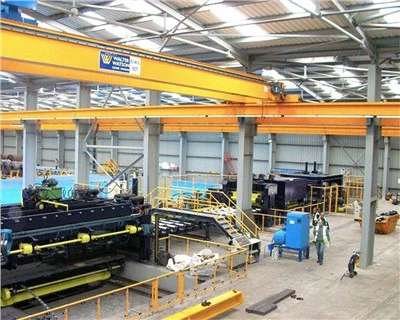
First, let’s start with what each actually is, because a lot of new guys mix them up. Wet grinding and polishing lines use a steady stream of coolant—usually a mix of water, lubricants, and sometimes rust inhibitors—right at the grinding wheel or polishing pad. Dry lines, on the other hand, run totally fluid-free, all air or just tiny amounts of compressed air to move debris. At first glance, dry sounds simpler, right? No hoses, no spillage to clean up. But dig deeper, and each has pros and cons that make one way better for specific jobs.
Let’s talk heat first, because that’s the biggest headache for anyone doing precision grinding. When you run a grinding wheel at 3,000 RPM and it bites into metal (or stone, or whatever material you’re working with), friction creates insane heat. If that heat doesn’t go anywhere, it seeps into your workpiece, right? For soft stuff like aluminum, that’ll warp it—suddenly a part that was perfectly measured is a fraction of a millimeter off, which is a big deal for automotive or aerospace parts. For harder stuff like steel, it can cause thermal cracking, which weakens the part so bad it might fail later. Wet lines solve this by flooding the grinding zone with coolant. That coolant doesn’t just cool things down—it also acts as a lubricant, so the wheel glides instead of digging in. You get a smoother finish too, less friction means fewer scratches on the workpiece. Dry lines? No coolant, so all that heat has to dissipate through the wheel, the air, or the workpiece. For small, thin parts, that’s usually fine, but for anything thicker or harder, you’re taking a risk. I had a customer last year who tried dry grinding ¼-inch steel blanks for brackets—by the time he finished the third batch, half were cracked and he had to toss ’em. He swapped to a wet line, fixed the issue overnight.
Next up, dust. That’s probably the most underrated factor people overlook. Dry lines kick up so much fine particulate—metal dust, abrasive dust, stone dust if you’re grinding marble. That stuff is not just messy; it’s toxic. Metal dust from aluminum can be a fire hazard if it builds up in your shop, and silica dust from stone grinding causes silicosis, a permanent lung disease that no one wants. OSHA has super strict rules on dust levels now, right? If a regulator comes in, they can shut your whole shop down if your dust collection system isn’t keeping up with dry line emissions. Wet lines solve this by trapping all that dust in the coolant stream. The coolant wets the particles, so they don’t float around—they sink to the bottom of your sump, easy to filter out. Yeah, you still have to maintain the coolant, but that’s way easier than cleaning a shop full of dust every night. I work with a lot of countertop shops that switched from dry stone grinding lines to wet lines a few years back—they said their air quality improved so much, their employees weren’t coughing every Friday anymore.
Now, material compatibility. This is where it gets specific, because one size definitely doesn’t fit all. Wet lines work amazing for most metals: steel, aluminum, brass, copper, even titanium. The coolant doesn’t react with most of these, and the lubrication makes grinding them way faster. But what if you’re working with materials that absorb water? Like some types of wood, concrete, or certain plastics? The coolant will get sucked into the pores, mess up the workpiece’s shape or finish—like if you’re polishing a wooden sign, water will warp the edges. For those, dry lines are the only choice. Also, super high-precision jobs, like grinding micro parts for electronics? Wait, I’ve seen both used here, but dry is more common because you don’t have to worry about coolant leaving water spots that ruin tiny components. For really hard, high-tolerance jobs—like grinding turbine blades for jet engines—wet is non-negotiable, though. The heat control is too critical there, even a tiny crack could lead to disaster.
Maintenance and operating costs. Let’s crunch the real numbers here, because this is what makes or breaks a shop’s decision. Dry lines have lower upfront cost, right? No coolant tanks, no hoses, no pumps. But wait, the hidden costs add up. You need a way better dust collection system for dry lines—those big, industrial dust collectors aren’t cheap, and you have to change filters every month or two, which is an ongoing expense. Also, dry grinding wheels wear out way faster. No coolant to lubricate the wheel means the abrasive grains get dull quicker, so you have to replace them every few weeks, instead of every few months for wet. Then there’s downtime for cleaning. Dry lines require you to shut down the line every few days to clear out dust from the motor, the wheel guard, the debris chute. Wet lines? You do have to filter the coolant, top it up every so often, and clean the sump once a quarter, but that takes way less time, and the line runs more consistently between maintenance. I had a fabricator who switched from dry to wet for his steel parts—he calculated he saved about $12,000 a year on replacement wheels, filters, and downtime. The upfront cost of the wet line was $15,000, so he paid it off in like 15 months. That’s a no-brainer, right?
Wait, also finish quality. Let’s talk about how smooth the workpiece actually comes out. Wet lines almost always give a better, more consistent finish. The coolant flushes away swarf (the tiny metal shavings) as you grind, so they don’t get trapped between the wheel and the workpiece, causing scratches. Dry lines can leave those tiny shavings stuck, or cause those heat marks I mentioned earlier—like a faint blue tint on steel parts, which is a sign of thermal damage and makes the part look cheap. I’ve had customers show me parts they finished with dry lines that had those blue tints, and they had to send them out to be re-polished, which added time and cost. Wet lines eliminate that, so the finish is uniform right off the line. That’s huge for companies that sell parts to clients who care about appearance, like automotive trim or kitchen appliances.
But don’t sleep on the downsides of wet lines, because they’re real. Spillage can happen if your line isn’t set up right—if the hoses leak or the sump overflows, you’ll get coolant on the floor, which is a slip hazard. That’s why good line design is key—we build our wet lines with leak-proof connections and containment trays, so that doesn’t happen. Also, coolant maintenance: if you don’t change the coolant regularly, it can grow bacteria, get slimy, or even go rancid. That’s a quick fix, though—just set a schedule to test the coolant and replace it every few months. Another downside: wet lines can’t be used for materials that can’t get wet, like I said before—wood, some plastics, moisture-sensitive ceramics. For those, dry is still the only way to go.
Let me give you a couple real examples so it’s not just theory. A few months back, I worked with a aerospace parts shop that was using dry lines for turbine blade grinding. They were dealing with 10% scrap rate from thermal cracks and dust-related defects. They upgraded to a wet line we custom-built for their material, and now their scrap rate is down to 1.5%. Their employees also said the shop feels way cleaner—no more dust settling on their tools at the end of the day. On the flip side, a local woodworking shop needed a line for polishing wooden table tops. They tried a wet line first, but the water warped the edges of the thin table tops, so they swapped to our dry line designed for wood, and they haven’t had a problem since. That’s exactly the kind of call I help customers make—there’s no “best” line, just the right one for what you’re making.
Another thing a lot of people don’t mention: environmental impact. Dry lines produce a ton of waste dust, which is usually sent to a landfill. Coolant waste from wet lines? If you maintain it properly, you can recycle 90% of it, so you’re only disposing of a small amount of filtered sludge. That’s a big deal if you’re in a state or country with strict environmental laws—landfill fees for hazardous dust or waste can add up fast. Our wet lines are set up with filtration systems that let customers reuse coolant for years, so they’re reducing their waste and saving money.
Wait, also operator experience. Let’s be real, if you’re running a line all day, you want something that’s not gonna make you sick or covered in filth. Operators working with dry lines deal with dust in their lungs, on their skin, in their hair. Operators on wet lines? They’re dealing with a clean, controlled stream of coolant, no floating dust. That leads to less turnover, too—shop owners hate training new guys every month because the old ones quit due to bad working conditions. I hear that all the time from customers who switch: their operator retention went up because the job is way more pleasant.
So when should you pick which line? Let’s sum it up quick: go wet if you’re grinding/polishing metals, hard materials like stone or ceramics, high-tolerance precision parts, or if you care about finish quality and operator safety. Go dry if you’re working with moisture-sensitive materials (wood, some plastics), ultra-thin micro parts where water spots would ruin them, or if you have a super small, low-budget shop that can handle the dust (but only if your local laws don’t ban dry processing for your material).
I’ve been selling grinding and polishing lines for 8 years now, and the question I get most is “which is better?” The answer is always, “it depends on your job.” I’ve seen customers blow money on a wet line for wood and get burned, and others save a ton by going dry for their specialty plastic parts. The worst mistake you can make is picking a line just because it’s cheaper upfront, without considering your materials, your shop rules, and your long-term costs. That’s why I always start a conversation with customers by asking them what they’re machining, the size of their shop, their regulatory requirements, and their budget. I don’t push a line just to make a sale—I help them pick what will actually work for their business.
If you’re in the market for a new grinding and polishing line, or you’re tired of dealing with scrap parts, dust complaints, or high maintenance costs, hit me up. I can walk you through what we have, answer any questions you have, and even help you figure out which setup is right for your specific job. No pressure, no sales pitch that’s too hard to get through—just real talk about what works and what doesn’t.
Slitting Lines References:
- Occupational Safety and Health Administration (OSHA). “Respiratory Protection for Silica Dust Exposures.” U.S. Department of Labor, 2022.
- Grinding Technology Magazine. “Wet vs. Dry Grinding: Comparing Performance and Cost Efficiency.” 2021.
- National Institute for Occupational Safety and Health (NIOSH). “Health Effects of Metal Dust Exposure.” Centers for Disease Control and Prevention, 2020.
- Modern Machine Shop. “Choosing the Right Grinding Process: Wet vs. Dry for Precision Components.” 2023.
Shanghai HOYO Industries Co., Ltd.
Shanghai HOYO Industries Co., Ltd. is one of the most professional grinding and polishing lines manufacturers and suppliers in China, featured by quality products and competitive price. Please rest assured to buy cheap grinding and polishing lines for sale here from our factory. Contact us for customized service.
Address: No.8, Jianding Road, Fengjing Town, Jinshan District, Shanghai, China
E-mail: info@hoyomachinery.com
WebSite: https://www.hoyomachinery.com/
