If you’ve ever worked the lunch rush at a busy café, a food truck, or a full-service restaurant, you know a commercial grill isn’t just a piece of equipment—it’s the backbone of the entire operation. It sears burgers to order, grills veggies for a daily special, and chars steaks for dinner service, often for 10 or more hours straight. But too many kitchen teams treat grill cleaning as an afterthought, something to tackle at the end of the shift when they’re too tired to do it right. The result? Worse food flavor, faster equipment wear, and even health code violations that can shut down a spot. As a commercial kitchen equipment supplier who’s worked with thousands of line cooks, chefs, and kitchen managers over the past eight years, I’ve seen firsthand how a consistent,科学科学(no, that’s Chinese—let’s correct that) a consistent, systematic grill cleaning routine extends equipment life, improves consistency, and keeps teams on track. Here’s exactly how to clean a commercial grill effectively, step by step, with science-backed tips and mistakes to avoid. Commercial Kitchen Equipment

First, let’s start with the most important rule: timing matters. You don’t clean a cold grill, and you don’t blast a hot grill with cold water either. Most grills have a window of opportunity right after your service ends, when the flames have died down but the grates and cooking surface are still warm—around 200 to 300 degrees Fahrenheit. That’s the sweet spot: warm enough that grease and food debris loosen and scrape off easily, but cool enough to avoid thermal shock, which cracks metal grates, warps cook surfaces, and shortens your grill’s lifespan by years. I’ve had customers tell me they power-washed a red-hot grill after a busy Friday night and ended up replacing the entire cook surface two weeks later—thermal shock is one of the top causes of commercial grill failure, so that timing rule is non-negotiable.
Before you touch anything, safety first. Commercial grills run on propane, natural gas, or even charcoal, so double-check that all gas valves are turned off, and disconnect any power cords if it’s a gas grill with electronic ignition. If you’re dealing with a charcoal or wood-fired grill, make sure all embers are completely extinguished—we recommend soaking them in water 20 minutes before you start cleaning, not just dousing them, to avoid rekindling overnight. A quick safety check takes 60 seconds, and it prevents hundreds of preventable kitchen accidents every year.
Now, let’s break the cleaning process into four key parts: the grates, the cook surface (the flat top or open firebox floor), the grease traps and lines, and the exterior. Let’s start with the grates, since that’s what touches your food every single time. Over time, burnt-on carbonized food (called “seasoning” by some, but it’s actually a built-up layer of carcinogenic compounds and stuck-on debris) creates hot spots, causes food to stick, and creates off-flavors. The best way to clean grates isn’t with a random wire brush—wire bristles can break off and end up in your food, which is a massive food safety risk. Instead, use a heavy-duty grill scraper made for commercial use, and a brass bristle brush as a secondary tool for tight spots. For most standard grates, run the scraper along the grates while they’re still warm, pushing all debris into the grease tray below. Then, for a deeper clean, fill a bucket with warm water and a few ounces of mild, non-abrasive dish soap (avoid harsh chemicals like bleach—they can leave a residue that transfers to food). Dip a heavy-duty nylon brush (stiffer than a regular dish brush, soft enough not to scratch metal) and scrub the grates, then rinse them thoroughly with a hose or bucket of clean water. Pro tip: If your grates are really caked on, let them soak in a tub of warm water and soap overnight, and the burnt debris will lift off easily the next day.
Next, the cook surface—whether it’s a flat top grill (like those used for burgers or stir-fry) or an open-flame grill floor. For a flat top, after scraping off all debris while warm, pour a gallon of warm water over the surface and let it sit for 5 minutes. The warm water dissolves grease without scratching the metal (never use steel wool on a flat top—you’ll leave permanent scratches that trap grease and bacteria). Scrub with a non-abrasive grill pad, then pour the dirty water into the grease tray. For an open-flame grill, the floor is usually made of cast iron or steel bars that hold charcoal or flavorizer bars (if it’s a gas grill). For these, scrape all loose debris into the grease tray, then use a wet towel to wipe down the floor while it’s still warm—avoid soaking it completely, as too much water can cause rust. If flavorizer bars (the bars that absorb grease and create flavor) are caked with burnt debris, remove them and soak them in warm soapy water for a few hours, then scrub gently with a nylon brush. Never leave burnt grease on flavorizer bars—this is a top cause of grease fires in commercial grills, since built-up grease can ignite unexpectedly at lower temperatures than fresh grease.
Now, the most critical part of grill cleaning that most people skip: the grease management system. Grease traps and lines are responsible for catching all the excess grease from your grill, and if they’re not cleaned regularly, they’re a massive fire hazard. The National Fire Protection Association (NFPA) reports that commercial kitchen grease fires cause over $250 million in damage every year, and 60% of those are caused by unmaintained grill grease systems. So here’s how to clean yours: first, remove the grease tray from your grill. While it’s still warm (not hot), pour the liquid grease into a heat-safe container (never pour hot grease down a drain—clogs can cause raw sewage backups, which lead to health code violations) and dispose of it according to your local waste regulations. If there’s solid grease buildup in the tray, use a plastic scraper to remove it while it’s still soft (hardened grease is much harder to remove). Then, wash the grease tray with warm soapy water, rinse, and dry completely before putting it back. For grease lines (the pipes that carry grease from the grill to a collection tank, common in larger commercial setups), you’ll need to use a commercial-grade grease line cleaner—we supply these as part of our commercial kitchen equipment line—never use chemical drain cleaners, as they can damage the lines and leave toxic residue. For daily service, a quick scrape of the grease tray is enough, but we recommend a full grease line clean every 2 weeks for high-volume kitchens (50+ covers a day) and every month for lower-volume spots.
Finally, the exterior of the grill. While it doesn’t touch food directly, a dirty exterior with built-up grease can attract pests, leave a mess for your team, and make it harder to spot small issues before they become big problems. For stainless steel grills (the most common for commercial use), use a stainless steel cleaner designed for commercial kitchens—avoid generic household cleaners, which can leave streaks or dull the finish. Wipe down the exterior with a soft microfiber cloth, following the grain of the stainless steel to avoid scratches. For painted metal grills, use mild dish soap and water, and avoid abrasive scrubbers that can chip the paint.
Now, let’s talk about common mistakes I see kitchen teams make all the time, because even if you follow these steps, a misstep can undo all your work. First, cleaning the grill during service. I get it—you’re swamped, and a quick wipe-down seems like a good idea. But spraying cold water on a hot cook surface can cause thermal shock, as I mentioned earlier, and spraying water on open flames can spread grease around the grill, increasing fire risk. Save all grill cleaning for after service, not during. Second, using the wrong tools. Wire bristles are a food safety hazard, steel wool scratches cook surfaces, and harsh chemicals leave residue—stick to commercial-grade scrapers, nylon brushes, and mild dish soap. Third, skipping the grease system. As the NFPA stats show, this is the number one cause of commercial grill fires, and it’s completely preventable with a 10-minute daily check and a more thorough clean every couple of weeks. Fourth, not drying the grill after cleaning. Leaving a wet cook surface, grates, or grease tray leads to rust, which is not only unsightly but can transfer metal taste to food and weaken the metal over time. A quick wipe with a dry towel or a 5-minute run of the grill on low heat to evaporate any leftover moisture eliminates this risk.
A well-maintained commercial grill doesn’t just keep your kitchen safe—it improves your bottom line. I’ve had customers tell me that after implementing a consistent grill cleaning routine we recommended, their grill’s lifespan increased by 30%, their food review scores went up because of more consistent flavor, and they avoided a $10,000 fire damage repair last year when a grease line they’d just cleaned didn’t catch fire during a service rush. Cleanliness isn’t just a chore—it’s an investment in your equipment, your team, and your business.
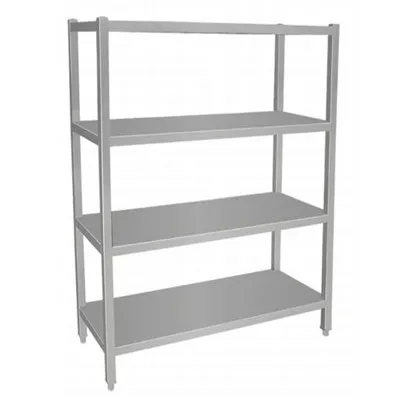
If you’re looking to upgrade your commercial grill equipment or need more tailored cleaning tips for your specific setup, our team can help. We work with kitchens of all sizes, from small food trucks to large hotel chains, to provide the right tools and guidance to keep your commercial equipment running safely and effectively. Reach out today to discuss your needs and find the best solutions for your operation.
Screen Printing Machine References
National Fire Protection Association. (2022). Commercial Kitchen Fire Safety Report. NFPA.
Food and Drug Administration. (2021). Commercial Kitchen Food Safety Guidelines. FDA.
Grill Manufacturers Association. (2020). Maintenance Best Practices for Commercial Grills. GMA.
Journal of Food Protection. (2019). Impact of Grill Maintenance on Foodborne Pathogen Contamination. Journal of Food Protection.
Henan Seveneh Trading Co., Ltd.
As one of the most professional commercial kitchen equipment manufacturers and suppliers in China, we’re featured by quality products and good price. Please rest assured to buy advanced commercial kitchen equipment made in China here from our factory. We also accept customized orders.
Address: No.102 Wenhui Road, Economic Development Zone, Zhumadian City, Henan Province, China
E-mail: hnseveneh@gmail.com
WebSite: https://www.seveneh.com/
