3.96mm pitch connections are widely used in various electronic devices and industrial applications due to their reliability and compatibility. However, like any electrical connection, they can encounter problems over time. As a 3.96mm pitch connector supplier, I’ve dealt with many troubleshooting cases. Here are some common issues and how to address them. 3.96mm Pitch

1. Electrical Resistance Issues
One of the most frequent problems with 3.96mm pitch connections is an increase in electrical resistance. Higher resistance can lead to power loss, overheating, and ultimately, device malfunction.
Possible Causes
- Oxidation: Over time, the metal contacts in the 3.96mm pitch connectors can oxidize when exposed to air, especially in high – humidity environments. Oxidation forms a thin layer on the contact surface, which increases resistance.
- Loose Connections: If the connectors are not properly seated, there may not be sufficient contact pressure between the pins and sockets. This can result in intermittent or high – resistance electrical connections.
- Contamination: Dust, dirt, or other contaminants on the contact surfaces can act as insulators, preventing good electrical conduction.
Troubleshooting Steps
- Cleaning: Use a contact cleaner specifically designed for electrical connectors. Apply the cleaner to a soft, lint – free cloth and gently wipe the contact surfaces of the pins and sockets. Avoid using abrasive materials that could scratch the contacts.
- Tightening: Check if the connectors are properly mated. If they are loose, carefully re – insert and secure them. Some 3.96mm pitch connectors may have locking mechanisms; make sure these are engaged correctly.
- Inspection: If cleaning and tightening do not solve the problem, inspect the contacts for signs of severe oxidation or damage. In some cases, it may be necessary to replace the connectors.
2. Mechanical Damage
Mechanical damage to 3.96mm pitch connections can occur during installation, use, or transportation.
Possible Causes
- Improper Installation: If the connectors are forced into place or installed at an incorrect angle, the pins or sockets can be bent or broken.
- Vibration and Shock: In industrial environments or in devices that are subject to constant movement, vibration and shock can cause the connectors to loosen or damage the internal structure.
- Physical Abuse: Accidental impacts or excessive handling can also lead to mechanical damage.
Troubleshooting Steps
- Visual Inspection: Carefully examine the connectors for any visible signs of damage, such as bent pins, broken sockets, or cracked housing. If there is minor damage, such as a slightly bent pin, it may be possible to straighten it using a fine – tipped tool. However, extreme caution must be taken to avoid further damage.
- Replacement: If the damage is severe, such as a broken socket or a completely bent pin, the connector should be replaced. Make sure to use a new connector of the same specifications to ensure compatibility.
3. Signal Integrity Problems
In applications where 3.96mm pitch connections are used for signal transmission, signal integrity can be a major concern.
Possible Causes
- Electromagnetic Interference (EMI): Nearby electrical equipment, power lines, or radio frequency sources can generate electromagnetic fields that interfere with the signal being transmitted through the connectors.
- Crosstalk: In multi – pin 3.96mm pitch connectors, signals on adjacent pins can interfere with each other, causing crosstalk. This is more likely to occur at high data rates.
- Impedance Mismatch: If the impedance of the connector or the connected circuit is not properly matched, it can cause signal reflections and degradation.
Troubleshooting Steps
- Shielding: Use shielded 3.96mm pitch connectors to reduce the impact of EMI. Ensure that the shielding is properly grounded to effectively divert the electromagnetic interference.
- Routing and Layout: In circuit board design, proper routing of traces and spacing between connectors can help minimize crosstalk. Keep high – speed signals away from each other and from sources of interference.
- Impedance Testing: Use specialized equipment to test the impedance of the connectors and the connected circuit. If an impedance mismatch is detected, make appropriate adjustments, such as changing the cable type or adding impedance – matching components.
4. Incompatibility Issues
Sometimes, problems with 3.96mm pitch connections can be due to incompatibility between different components.
Possible Causes
- Component Mismatch: Using connectors or cables with different specifications, such as different pin configurations or voltage ratings, can lead to compatibility problems.
- Version Differences: In some cases, new versions of devices or components may not be fully compatible with older 3.96mm pitch connectors.
Troubleshooting Steps
- Specification Check: Review the specifications of all the components involved in the connection, including the connectors, cables, and the devices they are connected to. Make sure that they are compatible in terms of pin configuration, voltage, current, and other relevant parameters.
- Upgrade or Replace: If incompatibility is identified, consider upgrading the connectors or other components to ensure compatibility. Sometimes, a simple replacement with a more up – to – date device can solve the problem.
5. Environmental Considerations
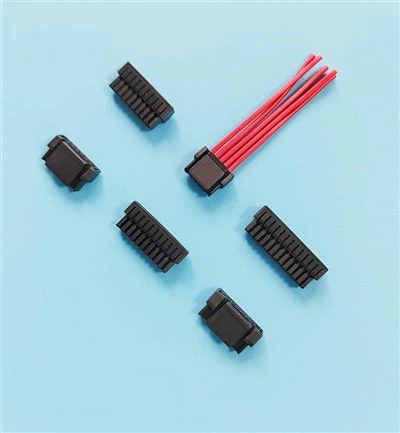
The environment in which 3.96mm pitch connections are used can have a significant impact on their performance.
Possible Causes
- Temperature and Humidity: Extreme temperatures and high humidity can cause the materials in the connectors to expand or contract, leading to loose connections or corrosion.
- Chemical Exposure: Exposure to chemicals, such as solvents, acids, or alkalis, can damage the contact surfaces and the housing of the connectors.
- Dust and Debris: In dirty or dusty environments, dust and debris can accumulate inside the connectors, causing electrical and mechanical problems.
Troubleshooting Steps
- Environmental Control: If possible, control the temperature and humidity in the environment where the connectors are used. For example, use air – conditioning or dehumidifiers to maintain stable conditions.
- Sealing and Protection: Use sealed connectors or protective enclosures to prevent chemical exposure and the ingress of dust and debris.
- Regular Maintenance: Establish a regular maintenance schedule to clean and inspect the connectors, especially in harsh environments.
1.27mm Pitch If you are experiencing any problems with 3.96mm pitch connections or are considering purchasing 3.96mm pitch connectors for your projects, we are here to help. Our team of experts has years of experience in providing high – quality 3.96mm pitch connectors and offering technical support. Don’t hesitate to contact us for further information and to discuss your procurement needs. We are committed to providing you with the best solutions for your electrical connection requirements.
References
- Grob’s Basic Electronics, McGraw – Hill Education
- Electronic Circuit Analysis, Pearson Education
- Connectors and Interconnects Handbook, Newnes
Dongguan Yinglian Electronics Co., Ltd.
We’re well-known as one of the most professional 3.96mm pitch suppliers in China. With abundant experience, we warmly welcome you to buy bulk advanced 3.96mm pitch made in China here from our factory. If you have any enquiry about cooperation, please feel free to email us.
Address:
E-mail: James@csg-china.com
WebSite: https://www.csgconn.com/
