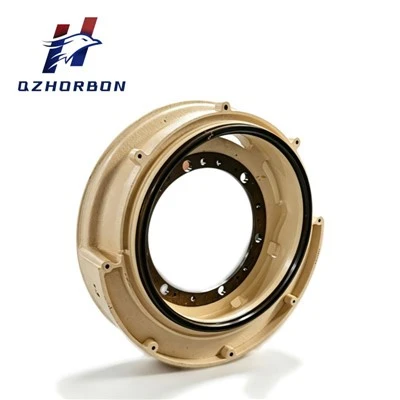
Diagnosing problems with a crusher rotor is crucial for ensuring the efficient and safe operation of your crushing equipment. As a trusted supplier of crusher rotors, I have witnessed firsthand the challenges that operators face when dealing with rotor issues. In this blog post, I will share my expertise on how to diagnose problems with a crusher rotor, offering practical insights and tips based on years of industry experience. Crusher Rotor
Understanding the Crusher Rotor
Before delving into the diagnostic process, it’s essential to understand the role of the crusher rotor in the crushing operation. The rotor is the heart of the crusher, responsible for generating the high-speed impact force that breaks down the material. It consists of a shaft, discs, hammers, and other components that work together to deliver the required crushing power.
The crusher rotor operates under extreme conditions, subjected to high speeds, heavy loads, and abrasive materials. Over time, these factors can cause wear, damage, and misalignment, leading to various problems that can affect the performance of the crusher.
Signs of Crusher Rotor Problems
The first step in diagnosing problems with a crusher rotor is to recognize the signs that something is amiss. Here are some common symptoms that indicate potential rotor issues:
- Vibration: Excessive vibration is one of the most obvious signs of a problem with the crusher rotor. Vibrations can be caused by unbalanced rotors, loose or damaged components, or misalignment. If you notice excessive vibration during operation, it’s important to address the issue promptly to prevent further damage to the crusher.
- Noise: Unusual noises coming from the crusher, such as banging, rattling, or grinding, can indicate problems with the rotor. These noises can be caused by loose or worn hammers, damaged discs, or other components. Pay close attention to any changes in the noise level or pattern during operation, as this can provide valuable clues about the source of the problem.
- Reduced Performance: A decrease in the crusher’s performance, such as lower throughput, reduced particle size, or increased energy consumption, can be a sign of rotor problems. These issues can be caused by worn hammers, damaged discs, or other components that affect the impact force and crushing efficiency of the rotor.
- Material Accumulation: If you notice material accumulation around the crusher discharge or inside the crusher housing, it could be a sign of a problem with the rotor. Material accumulation can be caused by improper rotor speed, worn hammers, or other factors that prevent the material from being properly ejected from the crusher.
- Visible Damage: Inspect the crusher rotor regularly for signs of visible damage, such as cracks, wear, or deformation. Visible damage can indicate serious problems that require immediate attention, as it can compromise the structural integrity of the rotor and lead to catastrophic failure.
Diagnostic Procedures
Once you have identified the signs of a problem with the crusher rotor, the next step is to conduct a thorough diagnostic procedure to determine the root cause of the issue. Here are some steps you can take to diagnose problems with a crusher rotor:
- Visual Inspection: Start by conducting a visual inspection of the crusher rotor. Look for signs of visible damage, such as cracks, wear, or deformation, on the shaft, discs, hammers, and other components. Check for loose or missing bolts, and ensure that all components are properly aligned.
- Balance Check: An unbalanced rotor can cause excessive vibration and premature wear on the crusher components. Use a balancing machine to check the balance of the rotor and make any necessary adjustments. If the rotor is severely unbalanced, it may need to be rebalanced or replaced.
- Hammer Inspection: The hammers are one of the most critical components of the crusher rotor, and they are subject to significant wear and tear during operation. Inspect the hammers for signs of wear, such as chipping, cracking, or excessive wear on the striking surface. Replace any worn or damaged hammers to ensure optimal crushing performance.
- Disc Inspection: The discs on the crusher rotor provide support for the hammers and help to distribute the impact force evenly. Inspect the discs for signs of wear, such as cracks, deformation, or excessive wear on the surface. Replace any worn or damaged discs to prevent further damage to the rotor.
- Shaft Inspection: The shaft is the main component of the crusher rotor, and it is responsible for transmitting the rotational force from the motor to the rotor. Inspect the shaft for signs of wear, such as cracks, deformation, or excessive play in the bearings. Replace any worn or damaged bearings, and ensure that the shaft is properly aligned.
- Speed Check: The speed of the crusher rotor is critical for ensuring optimal crushing performance. Use a tachometer to check the speed of the rotor and ensure that it is operating within the recommended range. If the rotor speed is too high or too low, it can affect the crushing efficiency and cause premature wear on the components.
- Electrical and Control System Inspection: The electrical and control systems of the crusher play a crucial role in ensuring the safe and efficient operation of the equipment. Inspect the electrical connections, switches, and sensors for signs of damage or malfunction. Check the control system settings to ensure that they are properly configured for the specific application.
Troubleshooting Common Problems
Based on the diagnostic results, you can now troubleshoot the common problems associated with the crusher rotor. Here are some solutions to the most common problems:
- Unbalanced Rotor: If the rotor is unbalanced, it can cause excessive vibration and premature wear on the crusher components. To balance the rotor, use a balancing machine to add or remove weight from the rotor until it is properly balanced. If the rotor is severely unbalanced, it may need to be rebalanced or replaced.
- Worn Hammers: Worn hammers can reduce the crushing efficiency of the rotor and cause uneven wear on the discs and other components. To replace the worn hammers, remove the old hammers from the rotor and install new ones. Make sure to use the correct type and size of hammers for your specific crusher model.
- Damaged Discs: Damaged discs can cause the hammers to become loose or misaligned, leading to reduced crushing performance and increased wear on the components. To replace the damaged discs, remove the old discs from the rotor and install new ones. Make sure to use the correct type and size of discs for your specific crusher model.
- Misaligned Shaft: A misaligned shaft can cause excessive vibration and premature wear on the bearings and other components. To realign the shaft, use a dial indicator to measure the alignment of the shaft and make any necessary adjustments. If the shaft is severely misaligned, it may need to be replaced.
- Low Rotor Speed: A low rotor speed can reduce the crushing efficiency of the rotor and cause material to accumulate inside the crusher. To increase the rotor speed, adjust the motor speed or the pulley ratio to ensure that the rotor is operating within the recommended range.
- High Rotor Speed: A high rotor speed can cause excessive wear on the hammers, discs, and other components, as well as increase the risk of damage to the crusher. To reduce the rotor speed, adjust the motor speed or the pulley ratio to ensure that the rotor is operating within the recommended range.
Preventive Maintenance
Preventive maintenance is essential for ensuring the long-term reliability and performance of your crusher rotor. Here are some preventive maintenance tips to help you avoid rotor problems:
- Regular Inspections: Conduct regular visual inspections of the crusher rotor to check for signs of wear, damage, or misalignment. Inspect the hammers, discs, shaft, and other components for any visible signs of problems.
- Lubrication: Proper lubrication is crucial for ensuring the smooth operation of the crusher rotor. Follow the manufacturer’s recommendations for lubrication intervals and use the correct type and grade of lubricant.
- Cleaning: Keep the crusher rotor and the surrounding area clean to prevent the accumulation of dirt, dust, and debris. Use a compressed air gun or a vacuum cleaner to remove any loose material from the rotor and the crusher housing.
- Training: Provide proper training to your operators on how to operate and maintain the crusher rotor. Make sure they understand the importance of following the manufacturer’s recommendations and safety procedures.
- Replacement Parts: Use only high-quality replacement parts for your crusher rotor. Avoid using cheap or inferior parts, as they can cause premature wear and damage to the rotor.
Conclusion
Diagnosing problems with a crusher rotor requires a combination of knowledge, experience, and the right tools. By understanding the signs of rotor problems, conducting a thorough diagnostic procedure, and troubleshooting the common issues, you can ensure the efficient and safe operation of your crushing equipment.
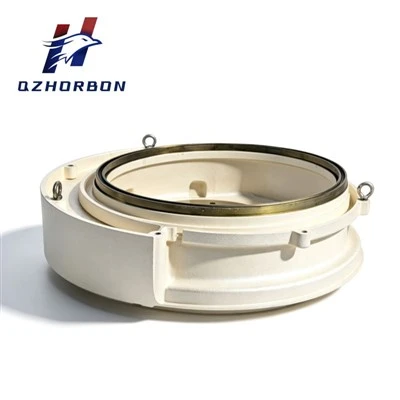
Crusher Pulley As a crusher rotor supplier, I am committed to providing high-quality products and expert support to help you diagnose and solve rotor problems. If you have any questions or need further assistance, please don’t hesitate to contact me. I look forward to working with you to ensure the optimal performance of your crusher.
References
- ASTM International. (2019). Standard Specification for Open Web Steel Joist. ASTM A325/A325M – 19a.
- Cimbria. (n.d.). Crushers and pulverizers. Retrieved from https://www.cimbria.com/products/crushing/
- Metso Outotec. (n.d.). Crushers. Retrieved from https://www.mogroup.com/products/crushing/
- Sandvik. (n.d.). Crushers. Retrieved from https://www.sandvik.com/en/products/mining/equipment/crushing/
Quzhou Horbon Mining Parts Co., Ltd.
Quzhou Horbon Mining Parts Co., Ltd. is one of the most professional crusher rotor manufacturers and suppliers in China, featured by high quality customized service and OEM service. Please rest assured to buy premium crusher rotor at competitive price from our factory. Contact us for pricelist.
Address: No.8 Nanshan Road, Qujiang District, Quzhou City, Zhejiang Province, China
E-mail: horbonmining@gmail.com
WebSite: https://www.horbonmachinery.com/
