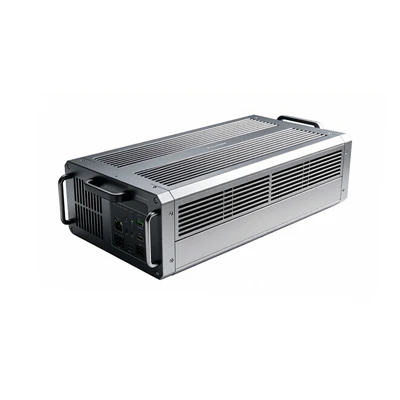
Hey there! I’m a supplier of sheet metal parts, and over the years, I’ve seen firsthand how a well – designed sheet metal part can make the manufacturing process a breeze. In this blog, I’m gonna share some tips on how to design sheet metal parts for easy manufacturing. Sheet Metal Parts
Understanding the Basics of Sheet Metal
First things first, let’s talk about the basics of sheet metal. Sheet metal is a thin, flat piece of metal that can be cut and bent into various shapes. Common metals used in sheet metal parts include steel, aluminum, and copper. Each metal has its own properties, like strength, weight, and corrosion resistance. For example, steel is super strong but heavier, while aluminum is lightweight and resistant to corrosion.
When you’re designing a part, it’s important to choose the right metal for the job. If you’re making a part for an automotive application where strength is crucial, steel might be your best bet. But if you’re working on a project where weight is a concern, like an aerospace part, aluminum could be a better choice.
Designing for Cutting
The cutting process is one of the first steps in manufacturing sheet metal parts. There are several cutting methods, such as laser cutting, plasma cutting, and waterjet cutting. Each method has its own advantages and limitations.
Keep It Simple
One of the most important things when designing for cutting is to keep the shape of the part as simple as possible. Complex shapes with a lot of curves and angles can be more difficult and time – consuming to cut. For example, a part with a simple rectangular shape is much easier to cut than a part with a wavy or zig – zag edge.
Consider the Cutting Tolerance
Cutting tolerance refers to the allowable deviation from the specified dimensions during the cutting process. Different cutting methods have different cutting tolerances. Laser cutting, for instance, can achieve a very high level of precision with a small tolerance. When designing your part, make sure to specify the appropriate cutting tolerance based on the cutting method you’ll be using. If you specify a tolerance that’s too tight for the cutting method, it can lead to higher costs and longer manufacturing times.
Avoid Small Holes and Slots
Small holes and slots can be a pain in the neck when it comes to cutting. They can cause the cutting tool to wear out quickly or even break, especially in harder metals. If you need holes or slots in your part, try to make them as large as possible while still meeting the requirements of your design.
Designing for Bending
Bending is another crucial step in sheet metal manufacturing. A well – designed part should be easy to bend without causing any cracks or deformations.
Bend Radius
The bend radius is the radius of the inside curve of a bend. It’s important to choose an appropriate bend radius for your part. If the bend radius is too small, it can cause the metal to crack during the bending process. On the other hand, if the bend radius is too large, it can take up more space and may not meet the design requirements. As a general rule, the minimum bend radius should be at least equal to the thickness of the sheet metal.
Bend Direction
The direction of the bend can also affect the manufacturing process. Try to design your part so that the bends are in the same direction whenever possible. This can make the bending operation more efficient and reduce the chances of errors. For example, if you have a part with multiple bends, having them all bend in one direction will be much easier to manufacture than having some bends in one direction and some in the opposite direction.
Relief Cuts
Relief cuts are small cuts made at the corners of a bend to reduce stress and prevent cracking. If your part has sharp corners or tight bends, adding relief cuts can make the bending process much smoother. You can think of relief cuts as a way to give the metal a little "breathing room" during the bending operation.
Designing for Assembly
Once the individual parts are cut and bent, they need to be assembled together. Designing for easy assembly can save a lot of time and money in the manufacturing process.
Use Standard Fasteners
Using standard fasteners like screws, nuts, and bolts is a great way to simplify the assembly process. Standard fasteners are readily available and easy to install. You don’t have to worry about custom – made fasteners that can be expensive and hard to find. For example, if you’re assembling two sheet metal parts, using a couple of standard screws can make the job a lot easier than trying to use a custom – made rivet.
Design for Self – Alignment
Design your parts in such a way that they can self – align during the assembly process. This can reduce the need for precise positioning and make the assembly faster and more accurate. For instance, you can add tabs or slots on the parts that fit together like a puzzle, guiding the parts into the correct position automatically.
Minimize the Number of Parts
The fewer parts you have in your design, the easier it will be to assemble. Try to combine multiple functions into one part whenever possible. For example, if you have a design that requires two separate brackets to hold a component, see if you can design a single bracket that can perform the same function.
Designing for Material Utilization
Efficient material utilization is not only good for the environment but also for your bottom line. When designing your sheet metal parts, try to make the most of the raw material.
Nesting
Nesting is the process of arranging multiple parts on a single sheet of metal in the most efficient way possible to minimize waste. There are software programs available that can help you with nesting. By using nesting software, you can fit more parts on a single sheet, reducing the amount of scrap metal and saving on material costs.
Consider the Grain Direction
The grain direction of the sheet metal can affect its strength and formability. When designing your parts, try to align the parts with the grain direction of the metal. This can make the cutting and bending processes more efficient and result in a stronger final product.
Quality Control in Design
Designing for easy manufacturing also includes considering quality control. You want to make sure that the parts you produce meet the required quality standards.
Design for Inspection
Design your parts in a way that makes it easy to inspect them. For example, if you need to measure the dimensions of a part, make sure there are accessible surfaces and features that can be easily measured with standard measuring tools.
Tolerance Stack – Up Analysis
Tolerance stack – up analysis is the process of analyzing how the tolerances of individual parts can add up and affect the overall fit and function of the assembled product. When designing your parts, perform a tolerance stack – up analysis to make sure that the tolerances are within acceptable limits.
In conclusion, designing sheet metal parts for easy manufacturing requires a good understanding of the manufacturing processes, the properties of the materials, and the principles of design. By following these tips, you can create parts that are not only easy to manufacture but also cost – effective and of high quality.
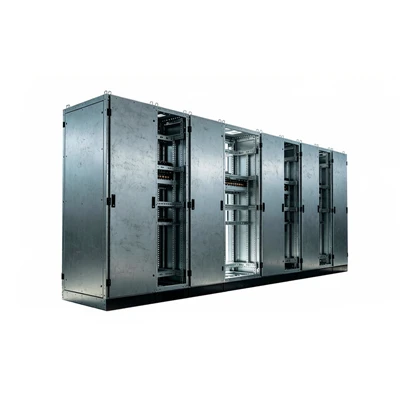
If you’re in the market for sheet metal parts and want to discuss your design requirements, I’d love to have a chat with you. Whether you need a small batch of custom – made parts or a large – scale production run, I’m here to help. Just reach out, and we can start the conversation about how I can meet your needs.
Sheet Metal Cabinet References
- "Sheet Metal Fabrication Handbook"
- "Manufacturing Engineering and Technology" by Serope Kalpakjian and Steven Schmid
- "Design for Manufacturability Handbook"
Hefei Excellent Intelligent Technology Co., Ltd.
As one of the most professional sheet metal parts manufacturers in China, we’re featured by quality products and good service. Please rest assured to wholesale bulk customized sheet metal parts made in China here from our factory. Also, pricelist is available.
Address: No. 3 Jingyi Road, Douzhen Industrial Park, Gangji Town, Changfeng County, Hefei City, Anhui Province
E-mail: 1637201948@qq.com
WebSite: https://www.cnakst.com/
