Hey there! I’m here to chat with you about how to create a fillet in a 3D model. As a fillet supplier, I’ve seen firsthand the importance of getting this right in the world of 3D modeling. So, let’s dive in! Fillet

What is a Fillet in 3D Modeling?
First off, let’s clarify what a fillet is. In 3D modeling, a fillet is basically a rounded edge or corner added to a model. It’s not just for looks, though that’s a big part of it. Fillets can also improve the structural integrity of a design and make it more comfortable to handle in real – life applications.
Think about the edge of a smartphone. If it had sharp edges, it would be less comfortable to hold. By adding a fillet, the phone manufacturer makes the device more user – friendly and also gives it a more sleek and modern look.
Why Create a Fillet?
There are several reasons why you might want to create a fillet in your 3D model.
1. Aesthetics: Like I mentioned earlier, fillets can make a model look more polished and professional. Sharp edges can look harsh and unfinished, while rounded edges give a softer, more refined appearance.
2. Safety: In products that people interact with, sharp edges can be a hazard. Fillets eliminate these sharp edges, reducing the risk of cuts or injuries.
3. Stress Relief: From a mechanical engineering perspective, fillets can help distribute stress more evenly across a part. This is crucial in designs where the part will be under pressure or load. For example, in an automotive part, a filleted edge can prevent stress concentrations that could lead to cracking or failure.
Step – by – Step Guide to Creating a Fillet in a 3D Model
I’ll use a general approach here, as different 3D modeling software may have slightly different interfaces, but the basic principles are the same.
Step 1: Choose Your 3D Modeling Software
There are a ton of 3D modeling software options out there. Some popular ones include Blender (which is free and open – source), Autodesk Fusion 360 (great for both beginners and professionals), and SolidWorks (widely used in the engineering industry).
I recommend choosing software that suits your needs and skill level. If you’re just starting out, Blender might be a good choice because of its low barrier to entry and large online community for support.
Step 2: Import or Create Your Base Model
Once you’ve got your software up and running, you need a base model to work with. You can either import an existing 3D model (if you have one) or create a new one from scratch.
For example, in Blender, you can start with basic shapes like cubes, spheres, or cylinders and then modify them to create your desired design. In SolidWorks, you can use sketches and features to build up your model.
Step 3: Select the Edges or Corners for Filleting
After you have your base model, you need to decide which edges or corners you want to fillet. Most 3D modeling software allows you to select individual edges or multiple edges at once.
In Fusion 360, you can click on the edges you want to fillet, and the software will highlight them. You can also use selection tools like the lasso tool to select a group of edges quickly.
Step 4: Set the Fillet Radius
The fillet radius is the size of the rounded edge. You need to decide how big or small you want your fillet to be. This depends on your design requirements.
If you’re going for a subtle change, you might choose a small fillet radius. If you want a more pronounced rounded effect, go for a larger radius. In most software, you can enter the fillet radius value in the fillet tool dialog box.
Step 5: Apply the Fillet
Once you’ve selected the edges and set the fillet radius, it’s time to apply the fillet. Just click the “Apply” or “OK” button in the fillet tool dialog box. The software will then calculate and create the fillets on the selected edges.
You might need to adjust the fillet radius or re – select edges if the result doesn’t look right. Don’t be afraid to experiment and try different settings to get the perfect fillet for your model.
Tips for Creating a Great Fillet
1. Keep the Flow in Mind: When filleting a model, try to keep the flow of the design in mind. The fillets should look natural and blend well with the rest of the model. For example, if you’re filleting a handle, the fillet should follow the curve of the handle.
2. Use Different Fillet Radii: You don’t have to use the same fillet radius for every edge. In some cases, using different fillet radii can add more depth and complexity to your design. For example, you might use a larger fillet on the outer edges of a model and a smaller fillet on the inner corners.
3. Check the Model from All Angles: After applying the fillets, check your model from all angles to make sure there are no unexpected artifacts or issues. Sometimes, fillets can cause problems like overlapping geometry or self – intersections.
Our Role as a Fillet Supplier
As a fillet supplier, we understand the importance of high – quality fillets in 3D models. Whether you’re creating a prototype for a new product or a final design for manufacturing, we can provide you with the best materials and solutions for your filleting needs.
We offer a wide range of fillet options in different materials, such as plastics, metals, and composites. Our products are made to precision, ensuring that they fit seamlessly into your 3D models.
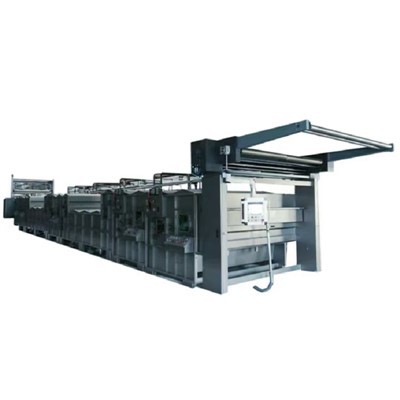
If you’re in the process of creating a 3D model and need fillets that are top – notch, we’re here to help. Our team of experts can provide you with advice on the best fillet design and material for your specific project.
Time to Connect!
Textile Washing Machine If you’re interested in our fillet products or want to have a chat about your 3D modeling projects, don’t hesitate to reach out. We’re always open to having a conversation and finding the best solutions for your needs. Whether you’re a hobbyist, a designer, or an engineer, we’ve got something for you.
References
- Smith, J. (2020). "The Basics of 3D Modeling". Publisher: ABC Publishing.
- Johnson, M. (2019). "Advanced Filleting Techniques in 3D Design". Journal of 3D Modeling, Vol. 15, Issue 2.
Jiangsu Feng Te Technology Co., Ltd.
We’re well-known as one of the leading fillet manufacturers in China. With a professional production team, we are able to meet the needs of the majority of our customers. Please rest assured to buy discount fillet for sale here from our factory.
Address: No. 4 Zhanghong Road, Siying Industrial Park, Lianyungang City, Jiangsu Province, China
E-mail: frentejenny@foxmail.com
WebSite: https://www.jsfrente.net/
