Hey there! I’m a supplier in the supplier evaluation game, and I’ve been through the ups and downs of getting evaluated by buyers. Today, I wanna share what I’ve learned about the requirements for supplier evaluation documentation. Supplier Evaluation

Quality Assurance Docs
First off, quality is king. Buyers wanna see that you can deliver products that meet their standards. So, you gotta have quality assurance documents. This includes things like ISO certifications. If you’ve got ISO 9001, it shows that you’ve got a proper quality management system in place. It’s like a stamp of approval that says you know what you’re doing when it comes to making good stuff.
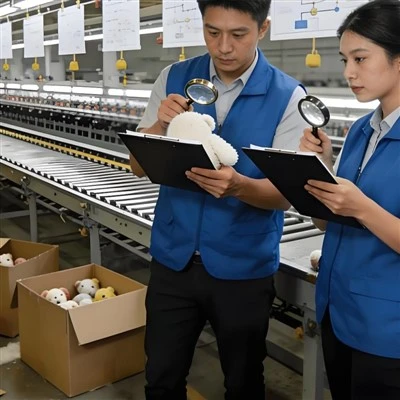
You also need to have inspection reports. These are records of the checks you do on your products during the manufacturing process. For example, if you’re making widgets, you might do a visual inspection for any defects, measure the dimensions to make sure they’re within spec, and test the functionality. The inspection reports should show when the inspections were done, who did them, and what the results were.
Another important quality – related document is the test results. If your products need to pass certain tests, like chemical tests for a food product or stress tests for a mechanical part, you need to have the detailed test results ready. This gives the buyers confidence that your products are safe and reliable.
Production Capacity and Capability
Buyers are always worried about whether you can meet their demand. So, you need to document your production capacity. This means showing how many units you can produce in a given time frame, say a month or a year. You can include things like the number of production lines you have, the hours of operation, and the efficiency of your equipment.
For example, if you have three production lines that run 24/7 and each line can produce 100 units per hour, then your daily production capacity is 3 x 100 x 24 = 7200 units. You can also mention any plans you have to increase your production capacity in the future, like adding new equipment or expanding your facilities.
In addition to capacity, you need to show your production capability. This includes the technology and processes you use. If you’re using the latest manufacturing techniques, it gives you an edge. For instance, if you’re using 3D printing in your production, it can show that you’re innovative and can produce complex parts with high precision.
Financial Stability
No buyer wants to work with a supplier that might go bankrupt halfway through a project. So, financial stability is a big deal. You need to provide financial statements, like balance sheets, income statements, and cash – flow statements. These documents give the buyers an idea of your financial health.
They’ll look at things like your revenue, profit margins, and debt levels. A healthy profit margin shows that you’re running a successful business, while low debt levels mean you’re not over – leveraged. You can also include any credit ratings you have. If you’ve got a good credit rating from a recognized agency, it adds to your credibility.
Compliance and Sustainability
In today’s world, compliance and sustainability are becoming more and more important. You need to show that you’re compliant with all relevant laws and regulations. This includes environmental regulations, labor laws, and safety standards.
For environmental compliance, you can provide documents like environmental impact assessments and waste management plans. If you’re using sustainable materials in your production, you can document where you source them from and how they meet environmental standards.
When it comes to labor laws, you need to show that you’re treating your employees fairly. This can include things like employee contracts, wage records, and safety training records. Buyers are increasingly concerned about ethical sourcing, so showing that you’re compliant with labor laws is crucial.
Delivery and Logistics
Buyers want their products on time. So, you need to document your delivery and logistics capabilities. This includes information about your shipping partners, your delivery lead times, and your inventory management.
If you work with reliable shipping companies, you can mention their names and their track record. For example, if you use FedEx and they have a high on – time delivery rate, it’s a plus. You also need to show how long it takes you to deliver products from the time an order is placed. If you can offer short lead times, it gives you an advantage over other suppliers.
Inventory management is also important. You need to show that you have enough inventory to meet orders without causing long delays. You can include inventory turnover rates and reorder points in your documentation.
Customer Service and Support
Good customer service can set you apart from other suppliers. You need to document your customer service policies and procedures. This includes things like how you handle customer complaints, your response times, and your after – sales support.
If you have a dedicated customer service team, you can mention their qualifications and experience. You can also provide testimonials from satisfied customers. These testimonials can be in the form of written statements or even video testimonials. They give the buyers an idea of how you treat your customers and whether they can expect good service from you.
How to Present the Documentation
Once you’ve gathered all these documents, you need to present them in a clear and organized way. You can create a supplier evaluation package that includes all the relevant documents. Make sure to label each document clearly and provide a table of contents so that the buyers can easily find what they’re looking for.
You can also use digital formats, like PDFs, to make it easier for the buyers to access and share the documents. If possible, provide an online portal where the buyers can log in and view the documents at their convenience.
Let’s Connect!
Certification and Compliance If you’re a buyer looking for a reliable supplier, I’d love to chat with you. I’ve got all the documentation in place to show that I can meet your requirements. Whether it’s quality, production capacity, financial stability, or any other aspect, I’m confident that I can deliver. So, don’t hesitate to reach out and let’s start a conversation about how we can work together.
References
- "The Supplier Evaluation Handbook" by John Smith
- "Quality Management in Manufacturing" by Jane Doe
- "Financial Analysis for Small Businesses" by Tom Brown
Verittek Standards Co., Ltd.
As a professional supplier evaluation service provider in China, we help clients improve overall product quality and stability by providing third-party inspection services. If you have any enquiry about cooperation, please feel free to email us.
Address: Room 1002, Building 1, Tian’an Industrial Building, Panyu Energy Saving Technology Park, No.555 North Panyu Avenue, Donghuan Street, Panyu District, Guangzhou City, China.
E-mail: sales@verittek.com
WebSite: https://www.verittek.com/
