In the dynamic realm of automotive electronics, the role of fast recovery diodes cannot be overstated. As a seasoned supplier of fast recovery diodes, I’ve witnessed firsthand the transformative impact these components have on modern vehicles. In this blog, we’ll delve into the specific requirements for using fast recovery diodes in automotive electronics, exploring the technical nuances, industry standards, and practical considerations that shape their application. Fast Recovery Diode
Understanding Fast Recovery Diodes
Before we dive into the automotive-specific requirements, let’s briefly recap what fast recovery diodes are and how they differ from conventional diodes. A fast recovery diode is a semiconductor device designed to switch from the conducting state to the non-conducting state (and vice versa) much faster than a standard rectifier diode. This rapid switching characteristic is crucial in applications where high-frequency operation, efficient power conversion, and minimal reverse recovery time are essential.
The reverse recovery time (trr) is a key parameter that distinguishes fast recovery diodes from their conventional counterparts. It refers to the time it takes for the diode to stop conducting in the reverse direction after the forward current has been interrupted. A shorter trr means less energy is wasted during the switching process, resulting in higher efficiency and reduced heat generation.
Automotive Electronics: A Demanding Environment
Automotive electronics systems operate in a harsh and demanding environment, subject to extreme temperatures, high voltages, mechanical vibrations, and electromagnetic interference (EMI). These conditions place stringent requirements on the components used in automotive applications, including fast recovery diodes. Here are some of the specific challenges and considerations:
Temperature Resistance
Automotive engines can generate significant heat, and electronic components must be able to withstand high operating temperatures without compromising performance. Fast recovery diodes used in automotive electronics are typically required to operate within a wide temperature range, often from -40°C to 125°C or even higher in some cases. To ensure reliable operation under these conditions, diodes must be made from high-quality materials with excellent thermal stability and low leakage currents.
Voltage and Current Ratings
Automotive electrical systems operate at various voltage levels, ranging from 12V to 48V in modern vehicles. Fast recovery diodes must be capable of handling the maximum voltage and current levels encountered in their specific application. This includes not only the steady-state operating conditions but also transient voltage spikes and surges that can occur during normal vehicle operation, such as when the alternator charges the battery or when electrical loads are switched on and off.
Reverse Recovery Time
As mentioned earlier, the reverse recovery time is a critical parameter for fast recovery diodes. In automotive electronics, where high-frequency switching is common in applications such as power converters, motor drives, and lighting systems, a short reverse recovery time is essential to minimize power losses and improve overall system efficiency. Diodes with faster recovery times can also reduce EMI, which is a major concern in automotive electronics to ensure compliance with electromagnetic compatibility (EMC) standards.
Surge Current Capability
Automotive electrical systems are prone to sudden surges in current, such as those caused by inductive loads or short circuits. Fast recovery diodes must be able to handle these surge currents without damage to protect the overall system from failure. The surge current rating of a diode indicates the maximum current it can withstand for a short period of time, typically in the form of a pulse. A higher surge current rating provides greater protection against transient events and ensures the long-term reliability of the automotive electronics system.
EMI and RFI Suppression
Electromagnetic interference (EMI) and radio frequency interference (RFI) can disrupt the operation of other electronic components in the vehicle, leading to malfunctions and safety issues. Fast recovery diodes can contribute to EMI and RFI suppression by minimizing the switching noise generated during their operation. This is achieved through careful design and selection of the diode’s internal structure, materials, and packaging to reduce the emission of electromagnetic radiation.
Reliability and Durability
Automotive electronics systems are expected to operate reliably for the lifetime of the vehicle, often under harsh and demanding conditions. Fast recovery diodes must meet strict reliability and durability requirements to ensure long-term performance and minimize the risk of failure. This includes factors such as resistance to moisture, corrosion, mechanical stress, and vibration, as well as compliance with relevant automotive industry standards and regulations.
Industry Standards and Regulations
In addition to the technical requirements outlined above, fast recovery diodes used in automotive electronics must comply with a variety of industry standards and regulations. These standards ensure the safety, performance, and compatibility of electronic components in automotive applications. Some of the key standards and regulations that apply to fast recovery diodes include:
ISO 26262
ISO 26262 is an international standard for functional safety in road vehicles. It provides a framework for the development of safety-critical electronic systems, including those that use fast recovery diodes. Compliance with ISO 26262 requires manufacturers to implement rigorous safety management processes, perform risk assessments, and demonstrate the reliability and fault tolerance of their components.
AEC-Q101
AEC-Q101 is an automotive industry standard for the qualification of discrete semiconductor components, including fast recovery diodes. It defines the testing and qualification requirements for components used in automotive applications, including environmental stress testing, electrical performance testing, and reliability testing. Components that meet the AEC-Q101 standard are considered to be of high quality and suitable for use in automotive electronics systems.
RoHS and REACH
RoHS (Restriction of Hazardous Substances) and REACH (Registration, Evaluation, Authorization, and Restriction of Chemicals) are European Union regulations that restrict the use of certain hazardous substances in electrical and electronic equipment. Fast recovery diodes used in automotive electronics must comply with these regulations to ensure the safety and environmental friendliness of the components.
Practical Considerations for Designers
When selecting fast recovery diodes for automotive electronics applications, designers must consider a variety of practical factors in addition to the technical requirements and industry standards. Here are some key considerations:
Package Type
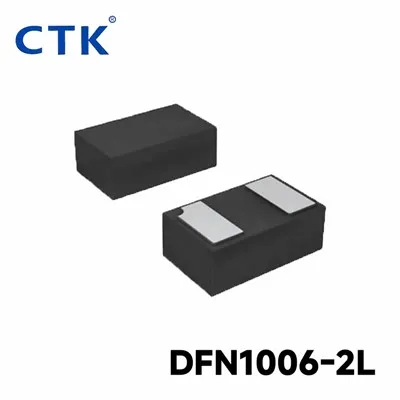
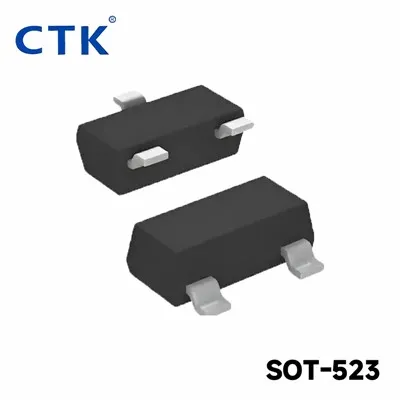
Fast recovery diodes are available in a variety of package types, each with its own advantages and disadvantages. The choice of package type depends on factors such as the application requirements, board space limitations, thermal management needs, and cost. Common package types for fast recovery diodes include surface mount packages (such as SOD, SOT, and DPAK) and through-hole packages (such as DO-41, DO-15, and TO-220).
Thermal Management
As mentioned earlier, automotive electronics systems generate significant heat, and proper thermal management is essential to ensure the reliable operation of fast recovery diodes. Designers must consider factors such as the power dissipation of the diode, the ambient temperature, the thermal resistance of the package, and the availability of heat sinks or other cooling methods. By optimizing the thermal design of the system, designers can reduce the operating temperature of the diodes and extend their lifespan.
Cost
Cost is always a consideration in automotive electronics design, and designers must balance the performance requirements of the application with the cost of the components. While high-performance fast recovery diodes may offer better electrical characteristics and reliability, they may also be more expensive. Designers must carefully evaluate the cost-benefit tradeoff and select the diodes that provide the best combination of performance and cost for their specific application.
Supplier Qualification
When sourcing fast recovery diodes for automotive electronics applications, it is important to work with a qualified and reputable supplier. A reliable supplier should have a proven track record of providing high-quality components that meet the relevant industry standards and regulations. They should also offer technical support, product documentation, and supply chain management services to ensure the smooth integration of the diodes into the automotive electronics system.
Conclusion
Fast recovery diodes play a crucial role in modern automotive electronics, enabling high-frequency operation, efficient power conversion, and reliable performance in a harsh and demanding environment. To meet the specific requirements of automotive applications, these diodes must possess excellent temperature resistance, voltage and current handling capabilities, short reverse recovery times, high surge current ratings, and EMI and RFI suppression characteristics. They must also comply with a variety of industry standards and regulations to ensure safety, performance, and compatibility.
As a fast recovery diode supplier, I understand the unique challenges and requirements of the automotive electronics industry. Our company is committed to providing high-quality diodes that meet the strictest standards of performance, reliability, and safety. We offer a wide range of fast recovery diodes in various package types and specifications to meet the diverse needs of our customers. Whether you are designing a power converter, motor drive, lighting system, or any other automotive electronics application, we have the expertise and products to help you succeed.
TVS If you are interested in learning more about our fast recovery diodes or discussing your specific application requirements, please contact us to start a procurement negotiation. Our team of experts will be happy to assist you and provide you with the information and support you need.
References
- "Automotive Electronics Handbook" by Ronald K. Jurgen
- "Semiconductor Devices: Physics and Technology" by Simon M. Sze
- ISO 26262 – Road vehicles – Functional safety
- AEC-Q101 – Stress Test Qualification for Discrete Semiconductors
Tongke Electronic Co., Ltd
Tongke Electronic Co., Ltd. is one of the most experienced fast recovery diode manufacturers and suppliers in China, featured by quality products and low price. Please rest assured to wholesale advanced fast recovery diode made in China here from our factory. Contact us for pricelist.
Address: No.3,Chayuan Rd, Street 3, AilingKan, Dalingshan, Dongguan, Guangdong, China.
E-mail: jack@ctk-elec.com
WebSite: https://www.ctkchip.com/
