What is the noise level of electric lifting auxiliary tools?
As a supplier of lifting auxiliary tools, I’ve encountered numerous inquiries from customers regarding the noise levels of electric lifting auxiliary tools. This is a crucial concern, as excessive noise can not only disrupt the working environment but also pose potential health risks to operators over time. In this blog post, I’ll delve into the factors that influence the noise level of these tools, typical noise ranges, and how we, as a supplier, address this issue. Lifting Auxiliary Tools

Factors Affecting the Noise Level of Electric Lifting Auxiliary Tools
1. Motor Design and Quality
The motor is the heart of an electric lifting auxiliary tool, and its design and quality significantly impact the noise level. High – quality motors are often engineered with precision components and advanced insulation materials. For example, motors with well – balanced rotors produce less vibration, which in turn reduces noise. In contrast, lower – quality motors may have unevenly machined parts, leading to increased friction and noise during operation.
2. Gear and Transmission Systems
Many electric lifting auxiliary tools use gears and transmissions to transfer power from the motor to the lifting mechanism. The quality of these components and their meshing accuracy play a vital role in noise generation. Worn – out gears or those with improper clearances can produce a grinding or rattling noise. Additionally, the type of gear system, such as spur gears or helical gears, can also affect noise levels. Helical gears, for instance, generally operate more quietly than spur gears due to their gradual engagement.
3. Load and Operating Conditions
The load being lifted and the operating conditions also influence the noise level. When the tool is under heavy load, the motor has to work harder, which can result in increased noise. Similarly, operating the tool at high speeds or in rough or uneven terrain may cause additional vibrations and noise. For example, if a lifting platform is used on a bumpy surface, the constant jolting can make the tool noisier than when used on a smooth, flat surface.
Typical Noise Ranges of Electric Lifting Auxiliary Tools
The noise level of electric lifting auxiliary tools is typically measured in decibels (dB). Different types of tools have different noise characteristics.
1. Electric Hoists
Electric hoists are commonly used for vertical lifting. The noise level of a small – to medium – sized electric hoist usually ranges from 65 dB to 80 dB. This is comparable to the noise level of normal conversation or a busy office environment. Larger and more powerful electric hoists, which are capable of lifting heavier loads, may produce noise levels between 80 dB and 90 dB. At this level, it can be somewhat louder than normal conversation, and workers may need to raise their voices to communicate.
2. Lifting Tables
Lifting tables are often used for adjusting the height of workpieces or materials. The noise level of an electric lifting table is generally in the range of 60 dB to 75 dB. This is relatively quiet, similar to the sound of a refrigerator or a light rainfall. The smooth operation of the lifting mechanism and the use of high – quality components contribute to the lower noise levels.
3. Pallet Jacks
Electric pallet jacks are used for moving pallets in warehouses and distribution centers. The noise level of an electric pallet jack typically falls between 70 dB and 85 dB. When the pallet jack is in motion, especially when accelerating or decelerating, the noise may be more noticeable. However, modern electric pallet jacks are designed to be as quiet as possible to minimize disruptions in the workplace.
Why Low Noise Levels Matter
1. Workplace Safety and Health
Exposure to high – intensity noise over an extended period can cause hearing damage, including permanent hearing loss. By minimizing the noise levels of our lifting auxiliary tools, we help protect the health and safety of workers. This is especially important in industrial settings where workers may be exposed to multiple sources of noise throughout the day.
2. Productivity and Efficiency
A noisy working environment can be distracting and reduce employee productivity. When workers are constantly bombarded with loud noises, it can be difficult for them to focus on their tasks. Quiet electric lifting auxiliary tools create a more conducive work environment, allowing employees to work more efficiently and with fewer errors.
3. Environmental Considerations
In some workplaces, such as hospitals or research facilities, noise pollution is a major concern. Low – noise electric lifting auxiliary tools are more suitable for these environments, as they do not disrupt the sensitive operations or the well – being of patients or researchers.
How Our Company Addresses Noise Issues
As a supplier of lifting auxiliary tools, we are committed to providing products with low noise levels.
1. Rigorous Quality Control
We carefully select high – quality motors and components for our lifting auxiliary tools. Before mass – producing any product, we conduct extensive testing to ensure that the noise levels meet or exceed industry standards. This includes performance tests under different load conditions and real – world operating scenarios.
2. Innovative Design
Our engineering team is constantly researching and developing new designs to reduce noise. For example, we are exploring the use of advanced noise – dampening materials in our products. These materials can absorb and reduce vibrations, thereby lowering the overall noise level. Additionally, we are optimizing the gear and transmission systems to improve meshing accuracy and reduce friction.
3. Customer Feedback and Customization
We value customer feedback and use it to continuously improve our products. If a customer has specific requirements for low – noise lifting auxiliary tools, we can work with them to develop customized solutions. This may involve modifying existing designs or developing new products tailored to their needs.
Conclusion
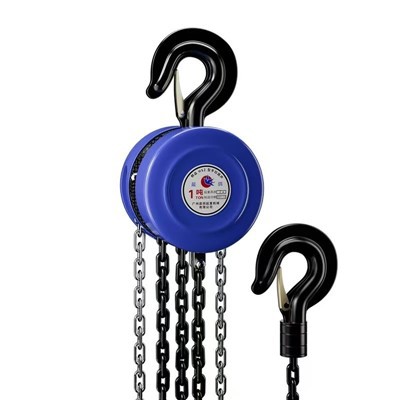
In summary, the noise level of electric lifting auxiliary tools is influenced by various factors such as motor design, gear and transmission systems, load, and operating conditions. Different types of tools have different typical noise ranges, but in general, efforts are being made to reduce noise levels to improve workplace safety, productivity, and environmental friendliness.
Electric Hoist As a leading supplier of lifting auxiliary tools, we are dedicated to providing high – quality, low – noise products. If you are in the market for lifting auxiliary tools and are concerned about noise levels, we would be more than happy to discuss your needs and provide you with the best solutions. Contact us to start a conversation about your procurement requirements and let us help you find the perfect lifting auxiliary tools for your operations.
References
- Machinery’s Handbook, 30th Edition, Industrial Press Inc.
- Occupational Safety and Health Administration (OSHA) standards on noise exposure in the workplace.
- International Electrotechnical Commission (IEC) standards for electric machinery noise levels.
Hebei Hengtai Crane Machinery Manufacturing Co., Ltd.
As one of the leading lifting auxiliary tools manufacturers in China, we warmly welcome you to buy bulk discount lifting auxiliary tools in stock here from our factory. All customized products are with high quality and low price. For more cheap products, contact us now.
Address: Weigezhuang Village, Donglu Township, Qingyuan District, Baoding City, Hebei Province
E-mail: hbht@cnhengtai.com
WebSite: https://www.cnhengtai.com/
