If you’ve ever walked past a weathered brick wall in a coastal town, a renovated basement foundation that’s seen decades of moisture, or a retaining wall dotted with moss and worn mortar, you’ve likely wondered: can a brick mesh hold up in these wet environments? As a brick mesh supplier with over 12 years in the business, I’ve fielded this question hundreds of times—from home owners tackling a bathroom backsplash renovation to commercial contractors working on a waterfront restaurant build, and even structural engineers designing infrastructure for regions with heavy seasonal rainfall. The short answer? It depends on which type of brick mesh you choose, how you install it, and what long-term maintenance plan you put in place. Let’s break this down, because when it comes to wet environments, not all brick mesh is created equal. Brick Mesh
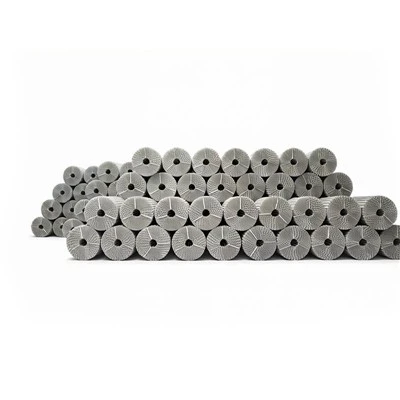
First, let’s ground this in why moisture is such a big enemy for brick and the mesh used to reinforce it. Brick itself is porous; it absorbs water, which is natural, but when that water freezes and expands in cold climates, it can crack brick and degrade mortar over time. For the mesh that sits between brick courses, or is embedded in mortar joints to add tensile strength to brick structures, moisture brings two main risks: corrosion (for metal meshes) and mold or mildew growth (for organic or coated materials). I’ve seen far too many projects go wrong because a contractor picked the cheapest mesh at the supply yard without checking if it’s rated for wet, even occasionally submerged, conditions.
Let’s start with the most common type of brick mesh: galvanized steel brick mesh. This is the workhorse of the industry, used in everything from interior load-bearing walls to exterior facades that only get splashed occasionally, like above-ground garden walls. The zinc coating on galvanized steel is designed to slow corrosion, but not all galvanization is the same. There’s hot-dip galvanization, where steel is dipped into molten zinc, creating a thick, durable coating that resists rust even when exposed to regular water. Then there’s electro-galvanization, a thinner, cheaper coating that’s better suited for dry indoor spaces—think a kitchen backsplash that never gets splashed with standing water, than a patio wall that’s rained on every week. I once worked with a contractor who picked up a roll of electro-galvanized mesh for a backyard retaining wall by the ocean. Within three years, the coating wore through along the sharp edges of the mesh, the steel started rusting, and the rust expanded, pushing brick out of alignment and cracking mortar joints. That project cost twice as much to fix as it would have if he’d just bought hot-dip galvanized mesh. So for moderately wet environments—like exterior walls in a rainy city, basement foundations that see occasional seepage, or above-ground pool decks—hot-dip galvanized steel brick mesh works, but only if it’s installed correctly.
Wait, what about really wet environments? Like areas that are periodically submerged, such as foundation footer drains, retaining walls near a lake, or the lower courses of a wall in a basement that floods occasionally. For those, we recommend stainless steel brick mesh. Stainless steel’s chromium content creates a self-healing oxide layer that resists rust and corrosion even when submerged in saltwater, sewage, or standing water with high mineral content. I supplied stainless steel mesh for a waterfront condo project five years ago, where the lower three courses of brick walls sit just above high tide and get splashed with saltwater every day. The project’s engineer specified 316 grade stainless steel, which is the most corrosion-resistant for harsh marine environments, and the walls have held up perfectly with no signs of rust or degradation. That same project used galvanized mesh for upper exterior walls, which is standard, because those only get exposed to rain, not saltwater or constant submersion.
Now, let’s talk about materials that some people might not consider: composite brick mesh, made from polypropylene or fiberglass. This is a newer option, and it’s lightweight, flexible, and never rusts. It’s great for areas that are almost constantly wet, like shower walls in a bathroom that get daily steam, or indoor pool enclosures. But here’s the catch: composite mesh isn’t as strong as metal mesh. It can stretch over time under heavy load, and it doesn’t have the same tensile strength for larger structures like retaining walls or multi-story buildings. I had a homeowner ask me a couple of years ago about using composite mesh for a 10-foot-tall retaining wall behind their house that gets regular runoff from their roof. They’d seen it advertised as “waterproof brick mesh” and thought it was perfect for their wet backyard. When I explained that composite mesh would likely stretch and sag over 5 to 10 years, leading to the retaining wall shifting, they switched to hot-dip galvanized mesh, which has the tensile strength to hold that structure stable. So composite mesh is ideal for interior wet applications like showers and backsplashes, but not for structural brickwork in wet environments.
Installation matters just as much as the type of mesh, and I see installation mistakes all the time that even the best mesh can’t overcome. Let’s start with mortar joints: brick mesh is meant to be embedded 100% in the mortar, not left exposed on the surface. If you leave mesh sticking out, moisture will get trapped against the metal, leading to faster corrosion. When installing in wet environments, we also recommend using a mortar mix that’s tailored for moisture. A standard masonry mortar works for dry areas, but for walls near water, use a Portland cement-lime mortar with water-reducing additives to help water drain through the wall instead of getting trapped in the brick and mortar. Another big no-no: skipping weep holes. Weep holes are small gaps left between brick courses at the base of a wall to let trapped water drain out. If you don’t install weep holes, water will build up behind the wall, seep into the mesh, and accelerate corrosion—no matter what type of mesh you use. I also always advise contractors to avoid bending mesh too sharply at the corners of walls. Sharp bends can break the protective coating on galvanized steel, leaving the steel exposed to water and rust. Take it slow, bend mesh gently, and if you do nick the coating at all, touch it up with zinc-rich paint to seal the metal.
Maintenance is the final piece of the puzzle for brick mesh in wet environments. A lot of people think brick and mesh are “set it and forget it,” but that’s not true, especially in areas with high moisture. For exterior walls in rainy or coastal climates, we recommend inspecting the mesh and mortar joints every 5 years. Look for signs of rust on the mesh: if you see brown stains on the brick around the mesh, that’s a sign the coating is wearing through and corrosion is starting. If you notice loose brick or cracked mortar, that could be a sign the mesh is failing under the stress of water expansion. For interior wet areas like showers, wipe down the brick and mesh regularly with mild, pH-neutral cleaner—avoid harsh acidic or alkaline cleaners, which can break down protective coatings on both brick and mesh over time. I once had a client who used a harsh bleach cleaner on their shower brick every week, and within two years, the stainless steel mesh had a dull, pitted surface from the bleach eating away at its oxide layer. Switching to a neutral cleaner brought the wall back to good condition.
Now, let’s address a common myth I hear all the time: “Brick mesh is only for load-bearing walls, so it doesn’t matter in wet areas.” That’s simply not true. Even non-load-bearing brick partition walls in a basement or bathroom benefit from mesh, and in wet areas, mesh actually helps prevent cracking from moisture-related expansion and contraction. I had a small business owner who installed exposed brick walls in a coffee shop basement, which gets damp during the rainy season. He didn’t use any mesh, and within a year, the walls had fine cracks running vertically and horizontally from the moisture expansion. Adding mesh when he renovated again, along with proper drainage, fixed the cracking, and the walls have stayed stable for three years.
So, to circle back to the original question: can a brick mesh be used in wet environments? The answer is a resounding yes, but only if you choose the right mesh for your specific environment, install it correctly, and stay on top of maintenance. There’s no one-size-fits-all solution here. For occasional wetness like exterior walls in a temperate climate, go with hot-dip galvanized steel brick mesh. For high-moisture, daily exposure like shower walls, go with composite polypropylene or fiberglass mesh. For harsh, constant wetness like waterfront or foundation structures, go with 316 grade stainless steel brick mesh.
I’ve been in this business long enough to know that choosing the right brick mesh for a wet environment can feel overwhelming, especially if you’re not familiar with the different grades and materials. That’s why my team and I work closely with every customer, from homeowners taking on small bathroom renovations to contractors working on large commercial projects, to help them pick the right mesh, walk through installation best practices, and outline a simple maintenance plan to keep their brick structures in great shape for decades. If you’re planning a project in a wet environment and want to make sure you’re picking the right brick mesh, feel free to reach out to discuss your needs. We’re always happy to share our 12+ years of experience to help you avoid costly mistakes and get a durable, long-lasting result.
Perimeter Fencing References
- American Society for Testing and Materials (ASTM) A153, Standard Specification for Zinc Coating (Hot-Dip) on Iron and Steel Hardware
- Masonry Society. (2020). Masonry Design for Moisture Control in Exterior Walls. Boulder, CO: The Masonry Society.
- International Code Council (ICC). (2021). International Residential Code (IRC) Section R706: Masonry Reinforcement. Washington, DC: International Code Council.
- Stainless Steel World. (2019). Corrosion Resistance of Stainless Steel in Marine Environments. Retrieved from industry technical manuals on stainless steel performance in saline conditions.
- National Association of Home Builders (NAHB). (2022). Guide to Basement Waterproofing and Masonry Durability. Washington, DC: National Association of Home Builders.
Hengshui Anbang Road and Bridge Material Co., Ltd.
As one of the most professional brick meshmanufacturers and suppliers in China, we’re featured by quality products and good service. Please rest assured to wholesale bulk customized brick mesh from our factory. For pricelist, contact us now.
Address: Zhaobazhuang Wire Mesh Industrial Park, Shenzhou City, Hengshui City, Hebei Province
E-mail: 857732879@qq.com
WebSite: https://www.cnanbang.com/
