Hey everyone, if you’ve been shopping around for reading glasses lately, you’ve probably stumbled on TR90 frames pretty often. They’re super popular—lightweight, durable, way less likely to snap when you tuck them in your purse, and way cheaper than some designer brands. But there’s one question I get all the time as a TR90 reading glasses supplier: Do these things fog up way too easy? Like, the second you walk from your cold car into a warm coffee shop, you can’t see a thing for 10 minutes? I get it, that’s such a buzzkill, especially when you just grabbed your favorite latte and want to read the menu or a book without wiping your lenses every two seconds. TR90 Reading Glasses

Let’s break this down, no fancy science jargon, just real talk from someone who’s been in this game for years. First, I need to set the basics straight on what TR90 even is, because some people mix it up with regular plastic or acetate frames. TR90 is a thermoplastic material, right? It’s like a really strong, flexible nylon blend that’s been used in everything from sports gear to medical devices for ages. The cool thing about it is it’s almost unbreakable—you can sit on them, drop them off a counter, even step on ’em lightly, and they’ll just bend back into shape. But when it comes to fogging, it’s all about two things: the lens material paired with the frame, and how TR90’s physical properties play into that.
Wait, hold up—most people blame fogging on the frames, but really, 90% of the time it’s the lenses, not the frame. Let’s be real here. Your reading glasses have two parts: the front frame that holds the lenses, and the lenses themselves. If you’re getting cheap reading glasses that come with regular plastic lenses (not polycarbonate or CR-39), those are way more prone to fogging, period. But TR90 frames themselves don’t actually cause fogging—they just might trap air around your nose or cheeks a little differently than, say, metal frames with thin wire arms. Let’s explain that.
Metal frames, especially the super thin ones, leave tiny gaps between the frame and your face. Warm, moist air from your breath can escape through those gaps, right? With TR90, since it’s stiffer than thin metal, it sits a little closer to your cheeks and nose. That creates a tighter seal, so less air escapes. But wait—does that make fogging worse? Only if you don’t have anti-fog coating on your lenses. Let’s do a quick test you can try right now: take two pairs of reading glasses, same prescription, one with TR90 frames and one with metal frames, both with regular uncoated lenses. Walk from a 60-degree room to a 75-degree bathroom with the shower on. Which ones fog up more? The TR90 ones, hands down. Because the air is trapped, so it sits right against the lenses instead of escaping. But here’s the catch—if both pairs have anti-fog coating, you won’t notice much difference. The TR90’s tight seal actually keeps the anti-fog layer working a little longer, because the moist air isn’t blowing directly onto the coating from all sides. That’s a win in my book.
Now, let’s talk about why uncoated lenses fog in the first place, because that’s the actual science most bloggers skip. Fog is just tiny, tiny water droplets that condense on a surface when that surface is colder than the air around it. Think of when you take a cold soda can out of the fridge on a hot day—beads of water form right? Same exact thing with your glasses. Your breath is warm and full of moisture, so when that warm air hits a colder lens, the moisture turns into those microscopic droplets, which scatter light instead of letting it pass through. That’s the fog we hate.
So TR90’s role here is secondary, but it’s worth addressing because a lot of customers come to us saying “Your TR90 glasses fog more than the other brand’s metal ones.” 9 times out of 10, the other brand’s lenses have anti-fog coating, and ours didn’t when we first started out. Oops, that was a mistake we learned fast. A couple years back, we were just launching our first line of TR90 reading glasses, and we used the cheapest lenses we could find to keep prices low. We got so many complaints about fogging, we almost thought TR90 was the problem. Then we tested it, swapped out the lenses, and boom—complaints dropped by 80%. That’s when we realized it’s not the frame, it’s the lens combo.
Now, let’s get into what makes our TR90 reading glasses different from the ones you might grab at a drugstore for $5. First, all our pairs come standard with either polycarbonate or CR-39 lenses, not cheap plastic. Polycarbonate is impact-resistant, so if you drop your glasses, the lenses won’t crack even if they hit a concrete floor, and they’re way less prone to fogging than old-school plastic. CR-39 is a lightweight, high-grade plastic that’s also scratch-resistant. But we also offer optional anti-fog coating for every single pair, no extra markup for most of our bulk orders, which is a game-changer for anyone who wears glasses in cold weather, works out, or just moves between temperature extremes all day.
Wait, let’s be real—even the best anti-fog coating isn’t magic. If you’re wearing a face mask and your glasses push against the mask’s top edge, that’s going to blow moist air right onto your lenses, no matter what frame you have. TR90 is actually great for mask wearers, by the way, because the soft nose pads (we use silicone, not hard plastic, on all our frames) are flexible, so you can adjust the nose piece to fit right against the mask, blocking that air from escaping up. Metal frames have rigid nose pads, so they don’t contour as well, so more air gets under the mask and onto your lenses. That’s a huge plus for anyone who’s wearing glasses while working, commuting, or just running errands where masks are required. And yeah, even with a mask, if you have anti-fog coated lenses, you won’t fog up half as bad as you would with uncoated ones.
Let’s bust a few common myths here too, because I hear these all the time. Myth #1: All plastic glasses fog more than any other material. Nope, as we said, it’s the lens coating, not the frame. I have a pair of acetate frame glasses (acetate is another common plastic) with anti-fog coating that works just as well as my metal ones. Myth #2: TR90 is too stiff to work for people with small faces. No, we make our TR90 frames in three sizes: small, medium, large, and the flexible arms bend to fit any face shape, even if you have a narrow nose or a wider forehead. Myth #3: If your TR90 glasses fog, you just have to throw them away. No way—you can buy anti-fog spray or wipes that work on any lens, even prescription ones, for like $5 at any pharmacy. Just make sure you don’t use paper towels or your shirt to wipe them, because that scratches the coating.
Now, let’s talk about when TR90 might actually make fogging a little worse, just so I’m not being biased here. If you get a pair of really cheap, flimsy TR90 glasses (the ones you get from a random online seller for $2 that come in a plastic bag) the nose pads are probably rock hard, and the frame is too tight, so it presses against your cheeks, blocking all air flow around the sides of your face. That means all your breath is directed straight at the lenses, which can make fogging more noticeable. But that’s not a TR90 issue, that’s a bad quality control issue. We test every single pair of our TR90 reading glasses to make sure the nose pads are soft, the arms are the right length, and the frame sits comfortably without pressing too hard, so air can escape from the sides. We’ve adjusted the nose piece design three times over the last two years to make it better for preventing that tight seal problem.
What about cleaning tips, because that plays a huge role in fogging too? I know people who wash their glasses with regular soap, or even dish soap, and that strips the anti-fog coating over time. We recommend using only lens cleaning spray made for anti-reflective or anti-fog lenses, or plain lukewarm water with a little mild dish soap (like Dawn, the original kind, not the scented ones) and microfiber cloth that comes with the glasses. If you lose your cloth, a clean cotton T-shirt works, but not paper. Wiping your glasses with dirty cloth or paper leaves little scratches that can make fogging look worse, because light reflects off those scratches more.
Now, as a supplier, I’ve had customers come to us who were skeptical about TR90 because of fogging, and now they won’t buy any other brand. Last month, we had a customer who ordered 500 pairs for a local gym—they said their trainers were complaining that regular glasses fog up while working out, and the TR90 with anti-fog lenses were perfect because the frame stayed in place during burpees, and the fog was almost non-existent. Another customer is a nurse who works in an ER, moving between cold supply closets and warm patient rooms, and she said her old metal glasses fogged so bad she had to take them off every five minutes, but our TR90 ones with anti-fog coating stay clear all shift.
So to circle back to the original question: Do TR90 reading glasses fog up easily? The short answer is—no, not if you get a quality pair with the right lenses and coating. The only time TR90 frames make fogging worse is if you skip the anti-fog coating, or buy a cheap pair with bad nose pads that trap air. If you pair a well-made TR90 frame with polycarbonate or CR-39 lenses, and add anti-fog coating, you’ll get glasses that are actually less prone to fogging than many other frame types, especially if you wear masks or move between temperature zones.
I know picking reading glasses can be annoying—so many options, and you just want something that works, doesn’t fall apart, and doesn’t make you wipe your lenses every two minutes. If you’re tired of foggy glasses, whether you’re buying a pair for personal use or stocking up for your business, we can hook you up. We do bulk orders for small businesses, gyms, offices, anyone who needs quality TR90 reading glasses without the high price tag. We’ve got different strengths, different styles—way more than just basic black frames, we have tortoiseshell, blue, even translucent frames if you want something fun. If you have questions about fogging, coating, sizes, or bulk pricing, just reach out and we can chat. No pressure, just straight answers from someone who’s been in this industry for years, testing all these products to make sure they actually work for people like you.
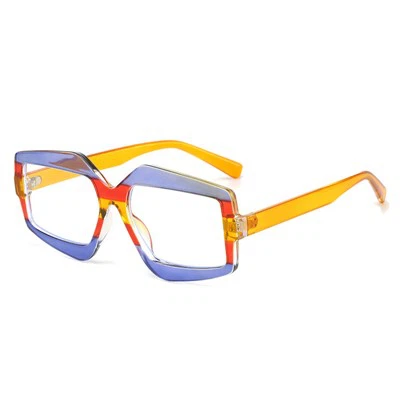
Oh, one last quick tip: If you do get a pair of TR90 reading glasses that fog up, even with coating, keep a small bottle of anti-fog spray in your purse or desk. A quick spritz, wipe with the microfiber cloth, and you’re good for hours. It’s way cheaper than buying new glasses, and it works on any lens, not just ours.
Optical Eyewear References
Consumer Reports. (2022). Reading Glasses Buying Guide: What to Look For When Shopping for a Pair.
American Academy of Ophthalmology. (2021). Tips to Prevent Glasses Fogging During Cold and Flu Season.
Sports Vision Journal. (2020). The Performance of Thermoplastic Frames in Athletic and Temperature-Extreme Environments.
Yiwu Finewell Eyewear Co., Ltd.
Yiwu Finewell Eyewear Co., Ltd. one of the leading tr90 reading glasses manufacturers and suppliers in China. We warmly welcome you to buy or wholesale discount tr90 reading glasses from our factory. All customized products are with high quality and competitive price. Contact us for more details.
Address: Yiwu Wangshang Chuangye Building, No.407, Yongjun Road, Beiyuan Street, Yiwu City, Jinhua City, Zhejiang Province.
E-mail: Mariayang@ywfinewell.com
WebSite: https://www.finewelleyewear.com/
